
Manchester has always had an edge. Once the beating heart of the Industrial Revolution, the city has reinvented itself into a hub of sport, music, science, and culture. So if you’re thinking about visiting but wondering what the best things to do in Manchester England may be, keep reading!
Today’s Manchester is full of historic warehouses situated alongside striking modern architecture, canals wind through the city center, and football fans from all over the world arrive to celebrate the game they love.
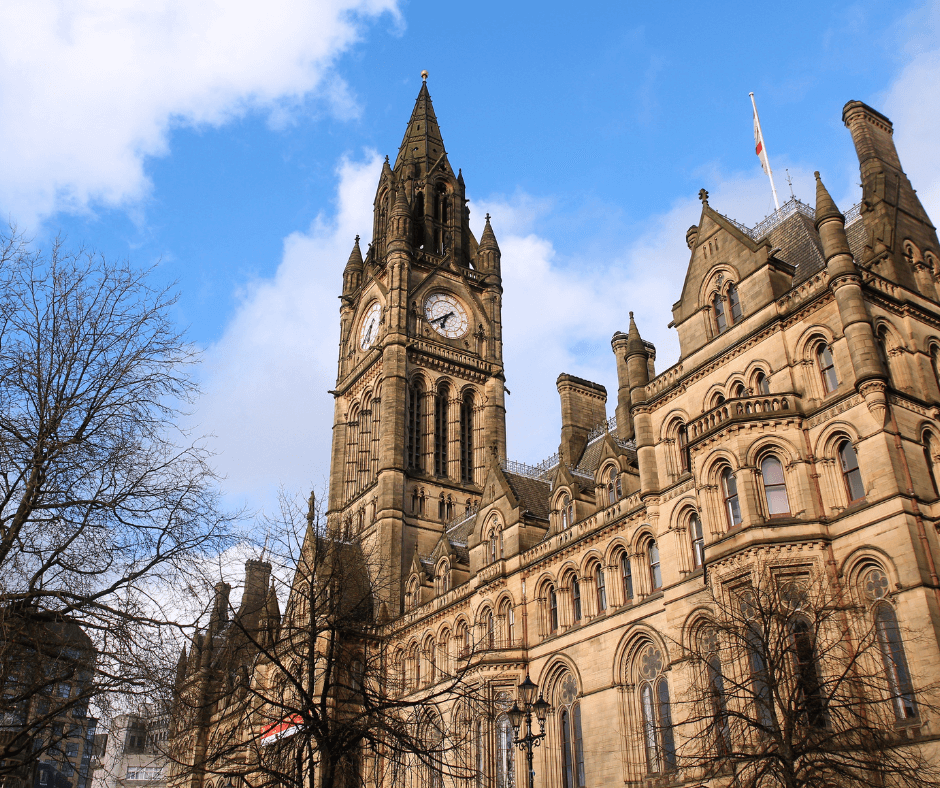

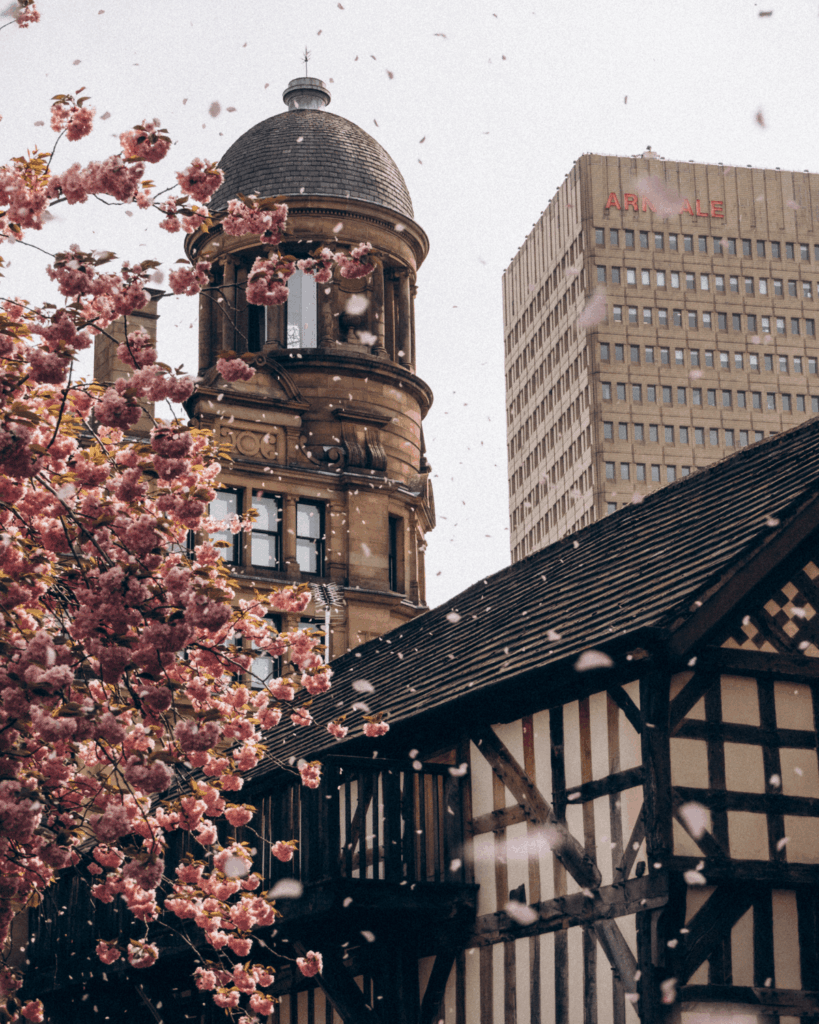
If you’ve only heard of Manchester for its rain or its football teams, you’re in for a surprise. The city is packed with museums, theaters, gardens, entertainment, and neighborhoods that tell its story in unexpected ways. It’s also easy to reach, as Manchester Airport connects directly to the city center by train, tram, taxi, or bus.
Whether you’re here for a weekend or a longer stay, Manchester offers plenty to fill your itinerary. Here are some of the best things to do when you visit.
Discover more: The 10 best things to do in Liverpool
This post includes affiliate links. I may earn a small commission if you make a purchase through them, at no additional cost to you.
Top things to do in Manchester England
1. National Football Museum
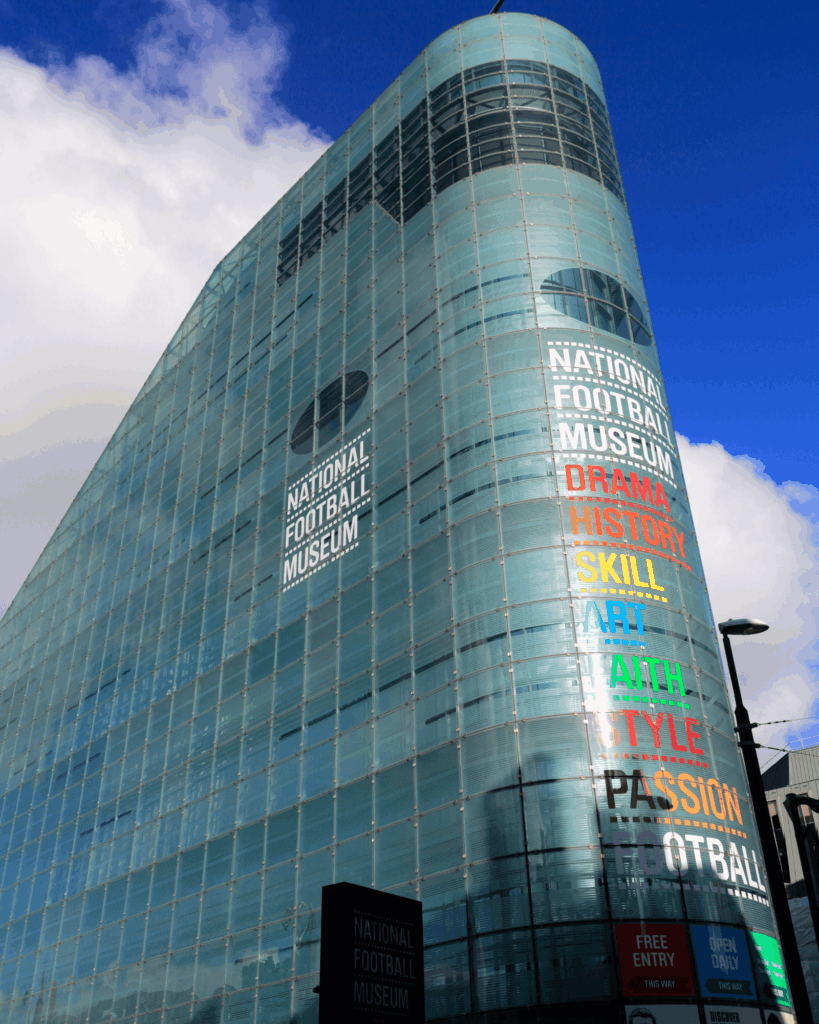
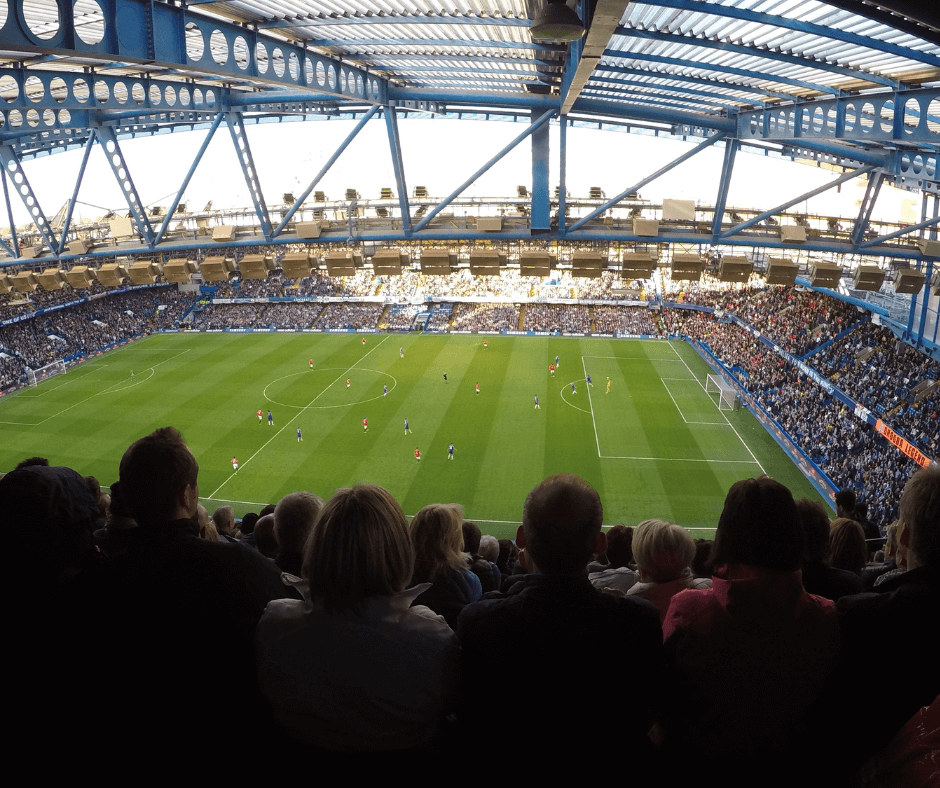
Football (or soccer, if you’re American) is part of Manchester’s DNA, and the National Football Museum celebrates the sport in all its glory. Inside, you’ll find the world’s largest public football collection, with more than 2,500 items on display at any one time.
Expect to see iconic shirts, boots, trophies, and memorabilia from major tournaments. Families can try interactive games, while adults will enjoy exhibits with detail on how the rules of the game evolved and the legends who shaped it. Special exhibitions and the Hall of Fame keep the stories fresh, and the Dugout Café makes a good pit stop before heading out to Etihad Stadium (while you’re there, consider taking a full tour of the stadium) or Old Trafford.
2. Science and Industry Museum
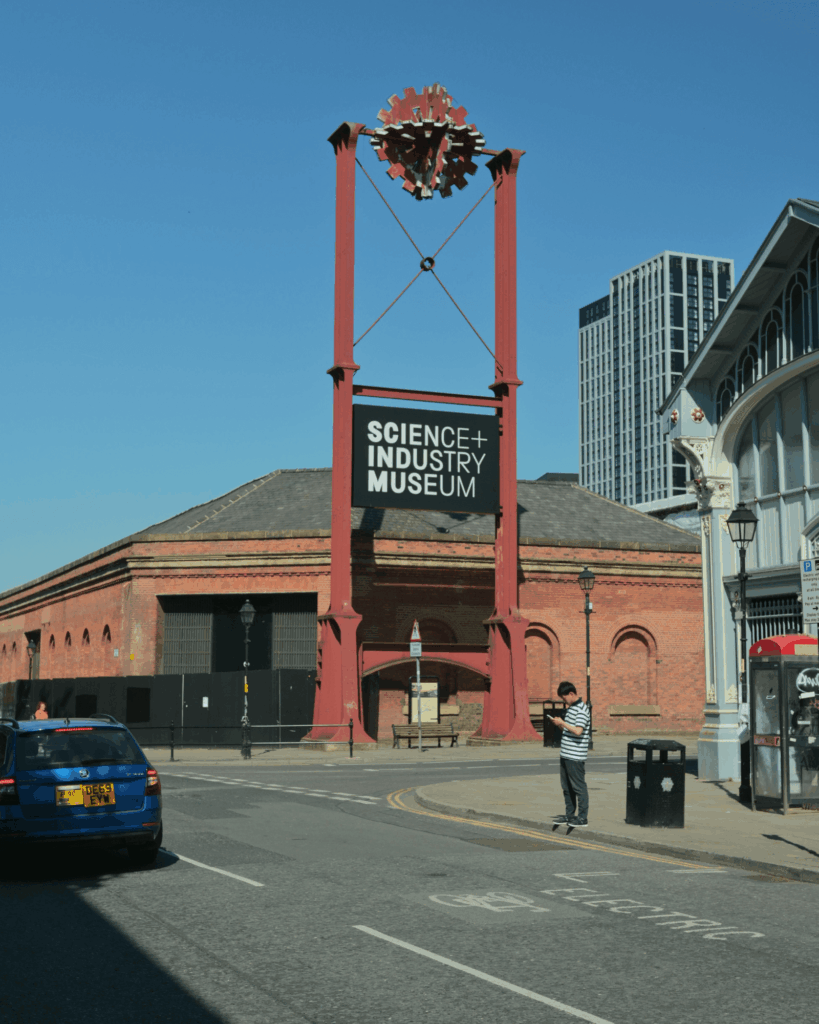
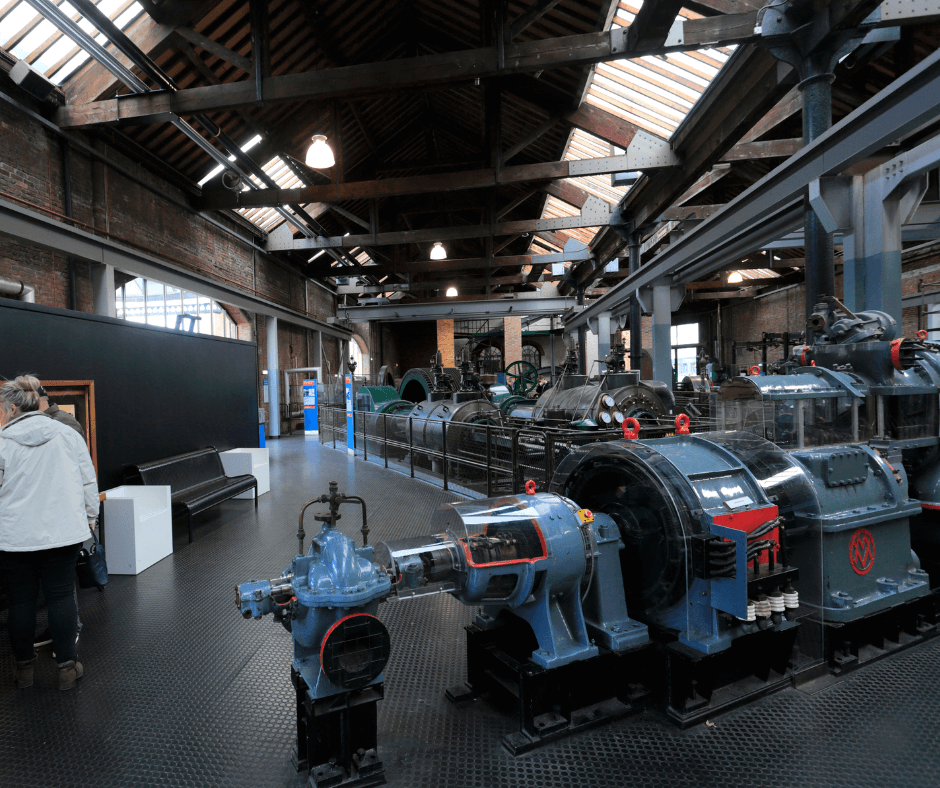
Built on the site of the world’s first passenger railway station, this museum provides plenty of information about Manchester’s story as an industrial powerhouse. You’ll see working textile machines, a replica of the “Baby” computer, and exhibits on transport, textiles, and communication.
Volunteers often run demonstrations that bring the machinery to life, and this Manchester museum doesn’t just look backwards. It also hosts the annual Manchester Science Festival and features exhibitions on current scientific breakthroughs. With plenty of cafés, shops, and outdoor spaces to relax in, it’s a fascinating stop for visitors of all ages.
3. Manchester Cathedral
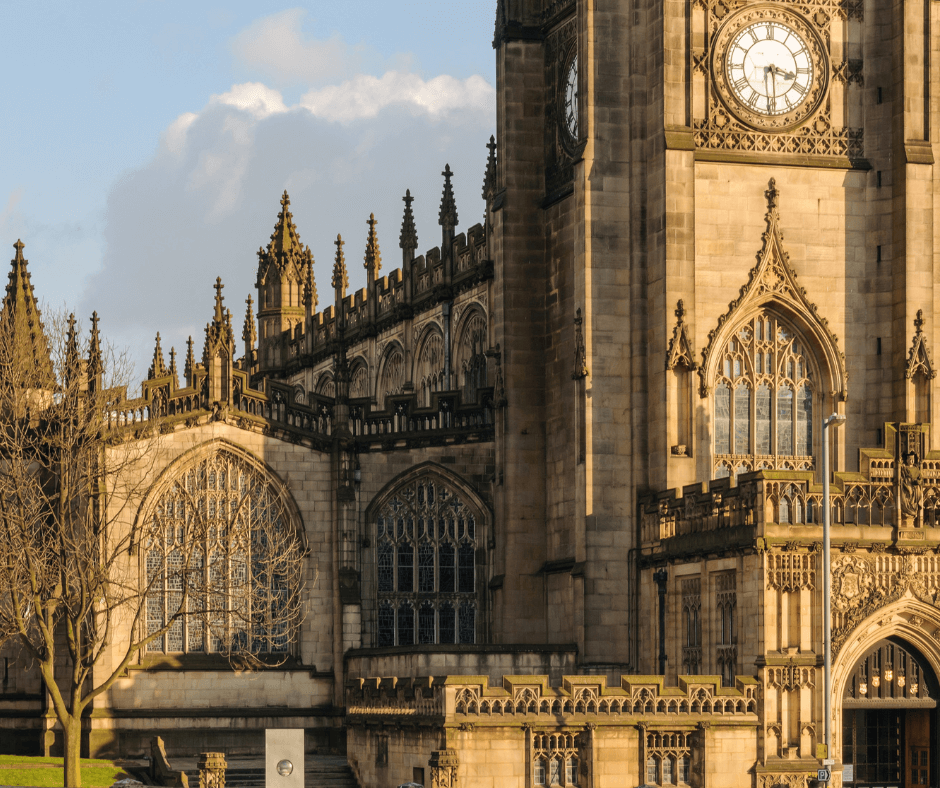
Standing since the 13th century, Manchester Cathedral is one of the city’s most important landmarks. Inside, you’ll find carved wooden stalls, lots of beautiful stained glass, and the Stoller Organ, a striking organ installed in 2017. Music remains central to worship here, with choirs adding to the experience.
The cathedral has survived wars, bombings, and attacks, yet it endures as both a place of faith and a symbol of resilience. Outside, the Glade of Light memorial honors those lost in the 2017 Manchester Arena attack. It’s a quiet, moving space in the heart of a busy city.
4. John Rylands Library
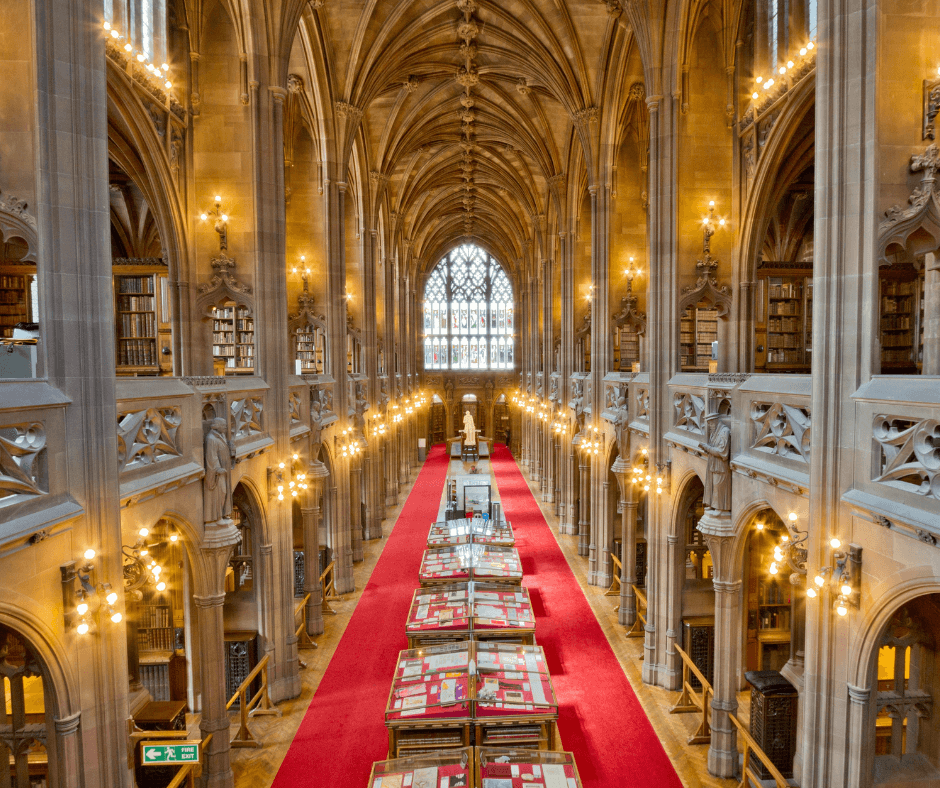
If Hogwarts had a library, it might look like this. Opened in 1900, the John Ryland Library is a masterpiece example of neo-Gothic architecture and home to priceless collections.
Step inside and you’ll see rare manuscripts, medieval texts, and treasures like Shakespeare’s First Folio. The new Collections Gallery, opened in 2025 for the library’s 125th anniversary, showcases items never before displayed. Admission is free, and the modern extension makes the building fully accessible, but the real highlight is standing in the historic reading room, where stonework and stained glass surround rows of ancient books.
If you have more time for art and culture, the nearby Manchester Art Gallery is also worth a visit, with works spanning six centuries, from Pre-Raphaelites to contemporary pieces.
5. Castlefield Conservation Area

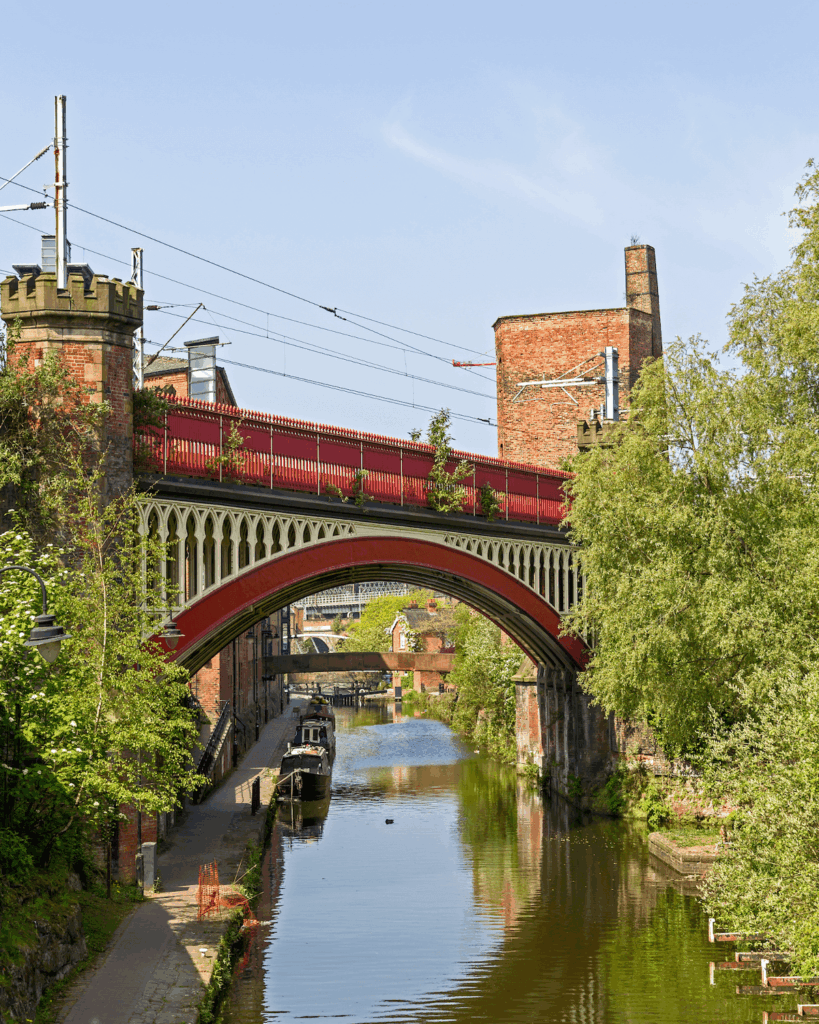
Castlefield is where Manchester began, with Roman ruins dating back to the first century. Later, canals, railways, and warehouses transformed the area into an industrial hub. Today, it’s Britain’s first designated Urban Heritage Park and one of the best places to explore on foot.
Stroll along canals, see the reconstructed Roman fort, and spot the Victorian Castlefield Viaduct towering overhead.
Old warehouses now house cafés and bars, making this a great place to wander in the afternoon or early evening. Combine it with a visit to the nearby Science and Industry Museum for a deeper dive into Manchester’s history.
6. Fletcher Moss Botanical Garden
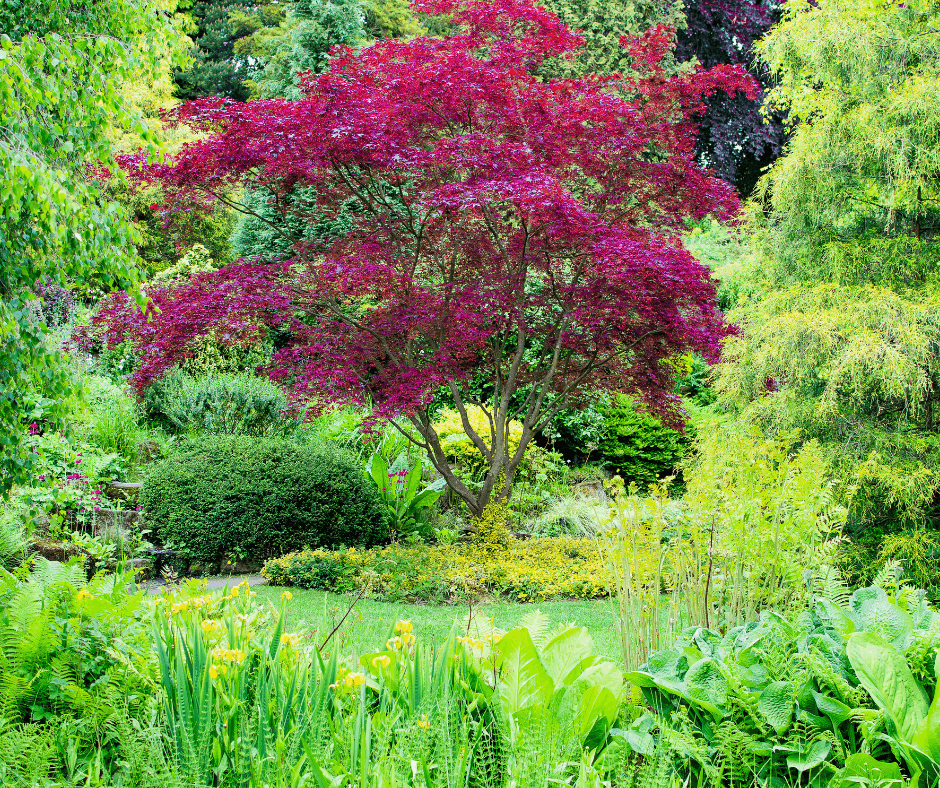
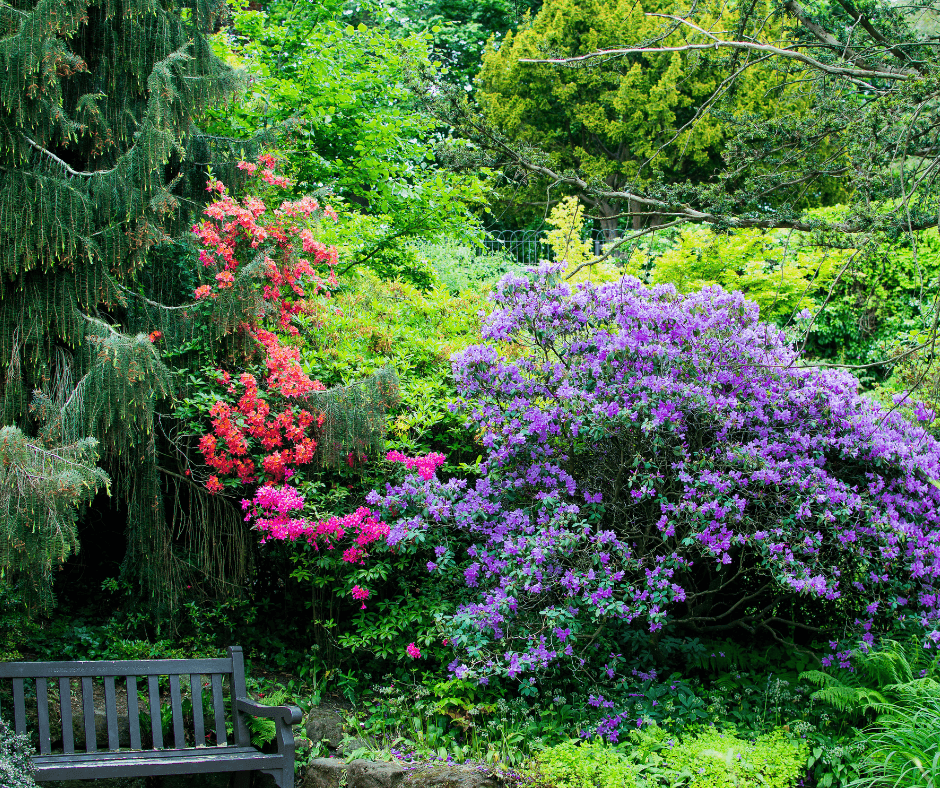
Located in the suburb of Didsbury, this garden offers a green escape from the city center. Donated to Manchester in 1919, it features both formal gardens and wilder nature trails.
Emily Williamson, co-founder of the RSPB, once lived here, and her love of plants shaped the gardens’ rockeries and alpine displays. Today, volunteers maintain the grounds, and visitors can enjoy tennis courts, a café, and even a Saturday 5k park run. Trails also lead to the River Mersey, making this a good spot for a longer countryside walk.
7. Northern Quarter
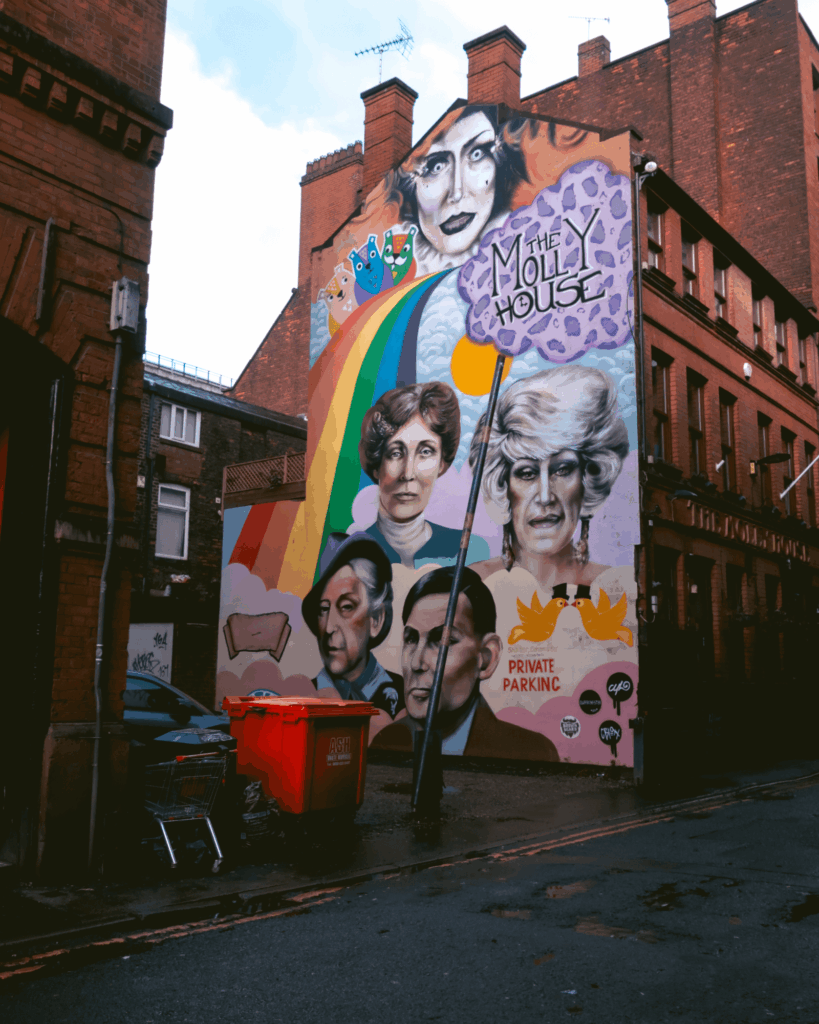
The Northern Quarter is Manchester’s creative playground. Former textile warehouses are now home to independent shops, record stores, restaurants and galleries. For a one-stop taste, head to Afflecks, where more than 70 retailers share space in a vibrant indoor market.
Art and music pulse through the neighborhood, with venues like Band on the Wall and Night & Day Café hosting gigs most nights. Street art colors the walls, while cafés, cocktail bars, and vegan spots keep the district a as a buzzing hub of activity. It’s at its liveliest after work in the evenings, but worth exploring any time of day.
8. Manchester Opera House
If you’re a theater fan, add the Manchester Opera House to your list. Opened in 1912, this grand Edwardian venue has hosted everything from ballet and opera to touring West End musicals.
The interior alone is worth seeing, with chandeliers, ornate plasterwork, and a sweeping auditorium. Productions change throughout the year, and it’s a good idea to book tickets in advance if something catches your eye. Whether you’re here for a classic play or a modern musical, the Opera House offers an elegant night out in the city.
9. Imperial War Museum North
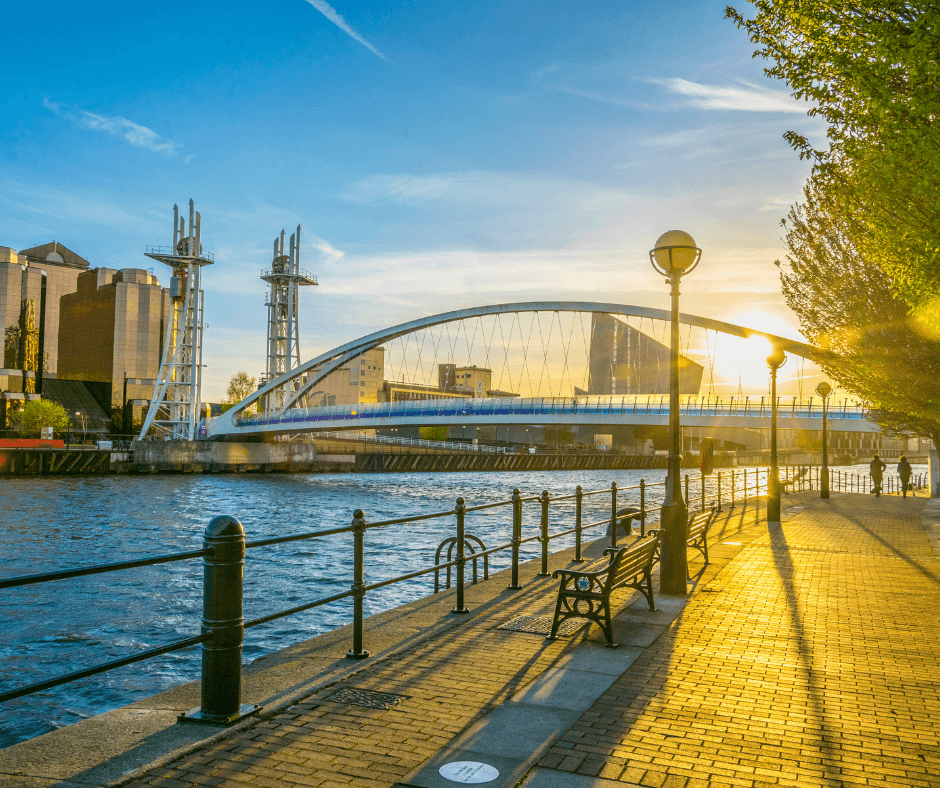
Housed in a striking Daniel Libeskind building along Salford Quays, the Imperial War Museum North explores how conflict has shaped the modern world. Inside, powerful exhibitions use sound, light, and storytelling to bring history to life.
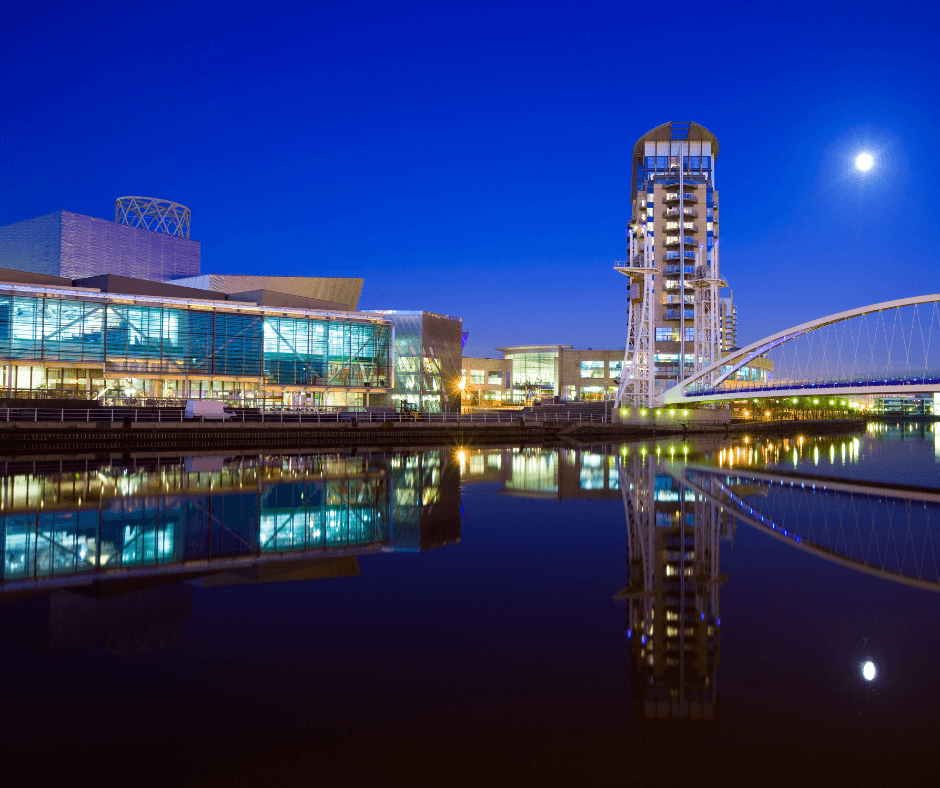
Highlights include immersive displays, personal testimonies, and large-scale installations that confront both world wars and more recent conflicts. The museum is free to enter and appeals to both history buffs and casual visitors. It’s also a chance to see Salford Quays, an area with waterside walks, restaurants, and the nearby Lowry arts center.
10. RHS Garden Bridgewater
For something completely different, head just outside the city to RHS Garden Bridgewater. Opened in 2021, this 154-acre garden was created on the site of a historic estate in Worsley.
It’s one of the largest gardening projects in Europe, with highlights including the 11-acre Weston Walled Garden, woodland walks, meadows, and lakes. Seasonal events, workshops, and tours give visitors ways to engage beyond just a stroll. It’s especially beautiful in spring and summer, but there’s interest year-round. A café and garden shop round out the visit.
Why Visit Manchester Now
Manchester is no longer just an industrial city with two famous football teams. It’s a place where you can spend your morning at a world-class museum, your afternoon wandering canals or gardens, and your evening at a live gig or theater performance.
The city continues to grow, with new cultural spaces, green projects, and major events on the horizon. Whether you’re a football devotee, a history enthusiast, or simply looking for a city break outside of London, Manchester delivers energy, character, and plenty of surprises.

Practical Travel Tips for Visiting Manchester
Getting to Manchester England
Manchester Airport is the UK’s second busiest after Heathrow, with direct flights from the US, Europe, and beyond. From the airport, the train takes about 20 minutes into Manchester Piccadilly station. Taxis, rideshares, and the Metrolink tram are also simple options.
Getting Around Manchester
The city centre is compact and very walkable, and the Metrolink tram network makes it easy to reach neighborhoods like Salford Quays, Didsbury, or Old Trafford. Buses cover much of Greater Manchester, and day passes are affordable if you’ll be moving around a lot.
Where to Stay in Manchester
You’ll find everything from sleek modern hotels near Spinningfields to boutique stays in the Northern Quarter. Football fans may want to stay near Old Trafford or the Etihad Stadium, while those who prefer nightlife should look at Deansgate or the Northern Quarter.
One of my favorite hotels in Manchester is The Edwardian Manchester. It’s a Radisson Collection centrally located in a beautiful, Grade II listed building.
Best Time to Visit Manchester
Manchester is a year-round destination, but weather can be unpredictable. Summer (June–August) brings festivals and longer days, while spring and autumn are great for gardens and cultural events. Winters are cool and often wet, but the Manchester Christmas Market makes December an especially festive time to plan a trip.
How Long to Spend in Manchester
Two to three days is enough for the highlights within Manchester city proper, but give yourself four or five if you want to explore day trips, gardens, or a football stadium tour.
Manchester has always had an edge. Once the beating heart of the Industrial Revolution, the city has reinvented itself into a hub of sport, music, science, and culture. So if you’re thinking about visiting but wondering what the best things to do in Manchester England may be, keep reading!
Today’s Manchester is full of historic warehouses situated alongside striking modern architecture, canals wind through the city center, and football fans from all over the world arrive to celebrate the game they love.
If you’ve only heard of Manchester for its rain or its football teams, you’re in for a surprise. The city is packed with museums, theaters, gardens, entertainment, and neighborhoods that tell its story in unexpected ways. It’s also easy to reach, as Manchester Airport connects directly to the city center by train, tram, taxi, or bus.
Whether you’re here for a weekend or a longer stay, Manchester offers plenty to fill your itinerary. Here are some of the best things to do when you visit.
Discover more: The 10 best things to do in Liverpool
This post includes affiliate links. I may earn a small commission if you make a purchase through them, at no additional cost to you.
Top things to do in Manchester England
1. National Football Museum
Football (or soccer, if you’re American) is part of Manchester’s DNA, and the National Football Museum celebrates the sport in all its glory. Inside, you’ll find the world’s largest public football collection, with more than 2,500 items on display at any one time.
Expect to see iconic shirts, boots, trophies, and memorabilia from major tournaments. Families can try interactive games, while adults will enjoy exhibits with detail on how the rules of the game evolved and the legends who shaped it. Special exhibitions and the Hall of Fame keep the stories fresh, and the Dugout Café makes a good pit stop before heading out to Etihad Stadium (while you’re there, consider taking a full tour of the stadium) or Old Trafford.
2. Science and Industry Museum
Built on the site of the world’s first passenger railway station, this museum provides plenty of information about Manchester’s story as an industrial powerhouse. You’ll see working textile machines, a replica of the “Baby” computer, and exhibits on transport, textiles, and communication.
Volunteers often run demonstrations that bring the machinery to life, and this Manchester museum doesn’t just look backwards. It also hosts the annual Manchester Science Festival and features exhibitions on current scientific breakthroughs. With plenty of cafés, shops, and outdoor spaces to relax in, it’s a fascinating stop for visitors of all ages.
3. Manchester Cathedral
Standing since the 13th century, Manchester Cathedral is one of the city’s most important landmarks. Inside, you’ll find carved wooden stalls, lots of beautiful stained glass, and the Stoller Organ, a striking organ installed in 2017. Music remains central to worship here, with choirs adding to the experience.
The cathedral has survived wars, bombings, and attacks, yet it endures as both a place of faith and a symbol of resilience. Outside, the Glade of Light memorial honors those lost in the 2017 Manchester Arena attack. It’s a quiet, moving space in the heart of a busy city.
4. John Rylands Library
If Hogwarts had a library, it might look like this. Opened in 1900, the John Ryland Library is a masterpiece example of neo-Gothic architecture and home to priceless collections.
Step inside and you’ll see rare manuscripts, medieval texts, and treasures like Shakespeare’s First Folio. The new Collections Gallery, opened in 2025 for the library’s 125th anniversary, showcases items never before displayed. Admission is free, and the modern extension makes the building fully accessible, but the real highlight is standing in the historic reading room, where stonework and stained glass surround rows of ancient books.
If you have more time for art and culture, the nearby Manchester Art Gallery is also worth a visit, with works spanning six centuries, from Pre-Raphaelites to contemporary pieces.
5. Castlefield Conservation Area
Castlefield is where Manchester began, with Roman ruins dating back to the first century. Later, canals, railways, and warehouses transformed the area into an industrial hub. Today, it’s Britain’s first designated Urban Heritage Park and one of the best places to explore on foot.
Stroll along canals, see the reconstructed Roman fort, and spot the Victorian Castlefield Viaduct towering overhead.
Old warehouses now house cafés and bars, making this a great place to wander in the afternoon or early evening. Combine it with a visit to the nearby Science and Industry Museum for a deeper dive into Manchester’s history.
6. Fletcher Moss Botanical Garden
Located in the suburb of Didsbury, this garden offers a green escape from the city center. Donated to Manchester in 1919, it features both formal gardens and wilder nature trails.
Emily Williamson, co-founder of the RSPB, once lived here, and her love of plants shaped the gardens’ rockeries and alpine displays. Today, volunteers maintain the grounds, and visitors can enjoy tennis courts, a café, and even a Saturday 5k park run. Trails also lead to the River Mersey, making this a good spot for a longer countryside walk.
7. Northern Quarter
The Northern Quarter is Manchester’s creative playground. Former textile warehouses are now home to independent shops, record stores, restaurants and galleries. For a one-stop taste, head to Afflecks, where more than 70 retailers share space in a vibrant indoor market.
Art and music pulse through the neighborhood, with venues like Band on the Wall and Night & Day Café hosting gigs most nights. Street art colors the walls, while cafés, cocktail bars, and vegan spots keep the district a as a buzzing hub of activity. It’s at its liveliest after work in the evenings, but worth exploring any time of day.
8. Manchester Opera House
If you’re a theater fan, add the Manchester Opera House to your list. Opened in 1912, this grand Edwardian venue has hosted everything from ballet and opera to touring West End musicals.
The interior alone is worth seeing, with chandeliers, ornate plasterwork, and a sweeping auditorium. Productions change throughout the year, and it’s a good idea to book tickets in advance if something catches your eye. Whether you’re here for a classic play or a modern musical, the Opera House offers an elegant night out in the city.
9. Imperial War Museum North
Housed in a striking Daniel Libeskind building along Salford Quays, the Imperial War Museum North explores how conflict has shaped the modern world. Inside, powerful exhibitions use sound, light, and storytelling to bring history to life.
Highlights include immersive displays, personal testimonies, and large-scale installations that confront both world wars and more recent conflicts. The museum is free to enter and appeals to both history buffs and casual visitors. It’s also a chance to see Salford Quays, an area with waterside walks, restaurants, and the nearby Lowry arts center.
10. RHS Garden Bridgewater
For something completely different, head just outside the city to RHS Garden Bridgewater. Opened in 2021, this 154-acre garden was created on the site of a historic estate in Worsley.
It’s one of the largest gardening projects in Europe, with highlights including the 11-acre Weston Walled Garden, woodland walks, meadows, and lakes. Seasonal events, workshops, and tours give visitors ways to engage beyond just a stroll. It’s especially beautiful in spring and summer, but there’s interest year-round. A café and garden shop round out the visit.
Why Visit Manchester Now
Manchester is no longer just an industrial city with two famous football teams. It’s a place where you can spend your morning at a world-class museum, your afternoon wandering canals or gardens, and your evening at a live gig or theater performance.
The city continues to grow, with new cultural spaces, green projects, and major events on the horizon. Whether you’re a football devotee, a history enthusiast, or simply looking for a city break outside of London, Manchester delivers energy, character, and plenty of surprises.
Practical Travel Tips for Visiting Manchester
Getting to Manchester England
Manchester Airport is the UK’s second busiest after Heathrow, with direct flights from the US, Europe, and beyond. From the airport, the train takes about 20 minutes into Manchester Piccadilly station. Taxis, rideshares, and the Metrolink tram are also simple options.
Getting Around Manchester
The city centre is compact and very walkable, and the Metrolink tram network makes it easy to reach neighborhoods like Salford Quays, Didsbury, or Old Trafford. Buses cover much of Greater Manchester, and day passes are affordable if you’ll be moving around a lot.
Where to Stay in Manchester
You’ll find everything from sleek modern hotels near Spinningfields to boutique stays in the Northern Quarter. Football fans may want to stay near Old Trafford or the Etihad Stadium, while those who prefer nightlife should look at Deansgate or the Northern Quarter.
One of my favorite hotels in Manchester is The Edwardian Manchester. It’s a Radisson Collection centrally located in a beautiful, Grade II listed building.
Best Time to Visit Manchester
Manchester is a year-round destination, but weather can be unpredictable. Summer (June–August) brings festivals and longer days, while spring and autumn are great for gardens and cultural events. Winters are cool and often wet, but the Manchester Christmas Market makes December an especially festive time to plan a trip.
How Long to Spend in Manchester
Two to three days is enough for the highlights within Manchester city proper, but give yourself four or five if you want to explore day trips, gardens, or a football stadium tour.

