
You’ve been dreaming about this for ages. The cobblestone streets, the café lunches, the historic sights. Now it’s finally time to plan a trip to Europe and turn that dream into reality.
You’ve saved countless Instagram posts, your passport’s ready, and you’ve even spotted a few flight deals.
But when it comes time to actually start planning the trip, the questions begin. Where do you go first? How do you narrow down the options? And how do you make sure you don’t miss something unforgettable?
Planning doesn’t have to feel overwhelming. With a few clear decisions and a little expert guidance, you can go from dreaming to departure with confidence, and enjoy every moment once you’re there.
5 steps for planning a trip to Europe
Step 1: Decide what kind of trip you want to take

Before you start booking anything, think about what kind of experience you want. When you plan a trip to Europe, there’s no one-size-fits-all approach.
Do you want adventure, like hiking the Alps, skiing in Switzerland, or exploring Croatia’s islands? Are you drawn to art and history in cities like Paris, Rome, Amsterdam or London?
Discover More: 10 (Free!) London Museums You Need to Visit
Or maybe your ideal trip is slower paced. You see yourself basing in one place, sipping wine in the Tuscan countryside, relaxing on Santorini, or catching up with family in a charming countryside villa.
Discover More: 7 luxury Tuscany hotels you’ll never want to leave
Are you planning to travel from country to country by train, or do you prefer to go deeper in one destination?
Maybe your ideal trip is actually a river cruise, seeing the highlights of cities like Vienna, Budapest, Prague and Salzburg from the balcony of your stateroom. River cruises are an option in so many countries, including France, the Netherlands, Germany, Hungary, Austria and Switzerland. Plus you can plan a pre- or post-cruise stay to go deeper into neighboring countries. For example, you could pair a cruise through the Netherlands with a stop in Brussels.
Ocean cruises are also a great option. You can unpack once, and explore cities like Athens and Barcelona on the same trip without long train rides or inter-Europe flights.
Also understand your travel style and ideal pace. Do you prefer 5-star luxury hotels, with plenty of cultural activities and museums, or do you prefer to stay in more budget-friendly accommodations, see the iconic landmarks and then move on?
Discover More: The 7 best hotels in Florence Italy
You’ll also want to think about the language. Is it important to you that most people speak English, or does the idea of a language barrier intimidate you? Consider a destination like England, Scotland, or Dublin. You may still struggle a bit to understand some of the accents, but it’s nothing like navigating a foreign language in Italy, Spain or Greece
Defining your goals helps shape everything else: your destinations, your budget, even your packing list. The clearer you are on what kind of trip you want, the easier it is to make the right choices.
Step 2: Choose the best time to go

Timing is everything when you plan a trip to Europe. Every region has its own rhythm, and choosing the right season can make a huge difference in your experience. Each European destination has its own rhythm and holidays, so knowing those in advance will help ensure a good experience.
If you want warm weather and outdoor dining, late spring (April–May) and early fall (September–October) are a great option. These shoulder seasons bring pleasant temperatures, fewer crowds, and often better prices.
Summer is high season, which means long days and lively festivals, but also busier attractions and higher costs. For example, want to see a major attraction like the Eiffel Tower in the middle of August? Plan to book those tickets well in advance, not on the day you want to visit.
Winter can be magical, especially in cities with Christmas markets, but days are shorter and some destinations slow down.
Discover More: The 12 best London Christmas markets to visit in 2025
Don’t forget to check local holidays, which can affect opening hours or crowd levels. A little timing research up front ensures your dream trip runs smoothly once you’re there.
There are also schedules at home to take into account. Maybe you have kids in school and need to work around their schedules. Places in Europe may be more crowded, but that’s ok. You can make the best of it and go when your schedule allows.
Step 3: Check your passport and travel documents early
This step sounds simple, but it’s the one most travelers overlook. Before you finalize anything, check your passport’s expiration date. Many European countries require at least six months of validity beyond your return date.
If you need to renew, do it early, processing time can fluctuate throughout the year. You’ll also want to confirm whether you need a visa or travel authorization for your trip, like the ETA (Electronic Travel Authorization) for the UK and the ETIAS for any Schengen zone European destination (launching in 2026).
A quick document check now can save major headaches later.
Step 4: Protect your trip with the right travel insurance
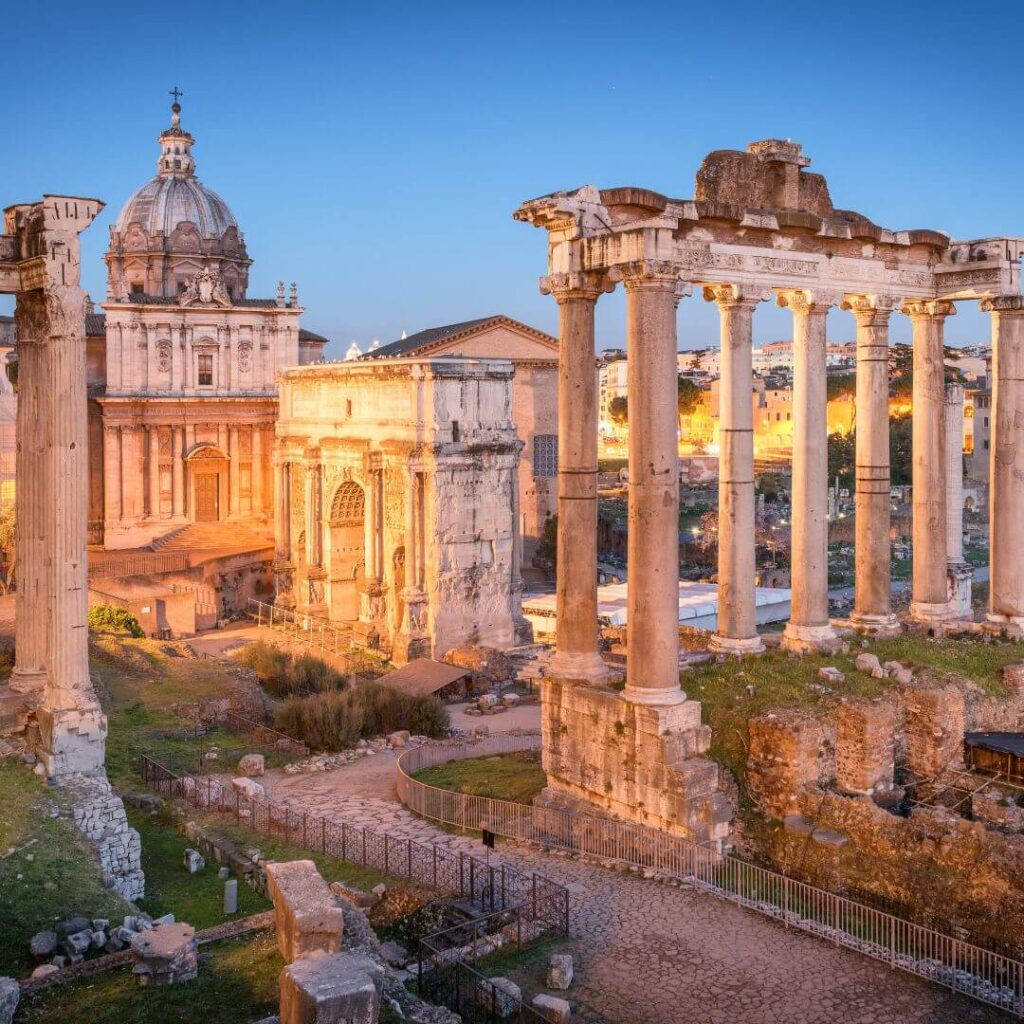
No one likes to think about what could go wrong, but insurance is one of the smartest investments you can make when you plan a trip to Europe. From flight delays to medical emergencies, travel insurance protects your time, money, and peace of mind.
Before you buy, review what you already have. Some credit cards offer built-in coverage for travel up to a certain limit, and certain health insurance plans include limited overseas protection. If not, comprehensive travel insurance typically costs 5–10% of your total trip and can cover cancellations, medical care, and lost luggage.
Just make sure you read the fine print on any insurance policy you have or purchase. Knowing exactly what’s covered makes all the difference.
Step 5: Work with a travel advisor or travel agent
Yes, you can plan a trip to Europe on your own. But if you want a smooth, seamless experience, especially for a multi-country itinerary, a professional travel advisor is worth their weight in gold.
Unlike old-school travel agents who simply sell packages, many of today’s advisors act more as consultants. We get to know your travel style, handle the logistics, and use firsthand destination knowledge to create a trip that feels effortless.
We have plenty of travel tips and can suggest hidden gems, time-saving routes, and authentic experiences you might never find online. And if something goes wrong while you’re traveling, you’ve got an expert in your corner.
A good advisor does more than just plan your trip. We make it even better than you could on your own.
Discover More: 8 things to do in Venice Italy that most people miss
What are you waiting for? It’s time to plan a trip to Europe
Planning international travel has more moving parts than ever before, but it doesn’t have to be stressful. When you follow these five simple steps, you’ll make confident choices, avoid costly mistakes, and create the kind of experience that leaves you counting the days until your next adventure.
Once the planning’s done, all that’s left is to pack your bags and start living that European dream.
You’ve been dreaming about this for ages. The cobblestone streets, the café lunches, the historic sights. Now it’s finally time to plan a trip to Europe and turn that dream into reality.
You’ve saved countless Instagram posts, your passport’s ready, and you’ve even spotted a few flight deals.
But when it comes time to actually start planning the trip, the questions begin. Where do you go first? How do you narrow down the options? And how do you make sure you don’t miss something unforgettable?
Planning doesn’t have to feel overwhelming. With a few clear decisions and a little expert guidance, you can go from dreaming to departure with confidence, and enjoy every moment once you’re there.
5 steps for planning a trip to Europe
Step 1: Decide what kind of trip you want to take
Before you start booking anything, think about what kind of experience you want. When you plan a trip to Europe, there’s no one-size-fits-all approach.
Do you want adventure, like hiking the Alps, skiing in Switzerland, or exploring Croatia’s islands? Are you drawn to art and history in cities like Paris, Rome, Amsterdam or London?
Discover More: 10 (Free!) London Museums You Need to Visit
Or maybe your ideal trip is slower paced. You see yourself basing in one place, sipping wine in the Tuscan countryside, relaxing on Santorini, or catching up with family in a charming countryside villa.
Discover More: 7 luxury Tuscany hotels you’ll never want to leave
Are you planning to travel from country to country by train, or do you prefer to go deeper in one destination?
Maybe your ideal trip is actually a river cruise, seeing the highlights of cities like Vienna, Budapest, Prague and Salzburg from the balcony of your stateroom. River cruises are an option in so many countries, including France, the Netherlands, Germany, Hungary, Austria and Switzerland. Plus you can plan a pre- or post-cruise stay to go deeper into neighboring countries. For example, you could pair a cruise through the Netherlands with a stop in Brussels.
Ocean cruises are also a great option. You can unpack once, and explore cities like Athens and Barcelona on the same trip without long train rides or inter-Europe flights.
Also understand your travel style and ideal pace. Do you prefer 5-star luxury hotels, with plenty of cultural activities and museums, or do you prefer to stay in more budget-friendly accommodations, see the iconic landmarks and then move on?
Discover More: The 7 best hotels in Florence Italy
You’ll also want to think about the language. Is it important to you that most people speak English, or does the idea of a language barrier intimidate you? Consider a destination like England, Scotland, or Dublin. You may still struggle a bit to understand some of the accents, but it’s nothing like navigating a foreign language in Italy, Spain or Greece
Defining your goals helps shape everything else: your destinations, your budget, even your packing list. The clearer you are on what kind of trip you want, the easier it is to make the right choices.
Step 2: Choose the best time to go
Timing is everything when you plan a trip to Europe. Every region has its own rhythm, and choosing the right season can make a huge difference in your experience. Each European destination has its own rhythm and holidays, so knowing those in advance will help ensure a good experience.
If you want warm weather and outdoor dining, late spring (April–May) and early fall (September–October) are a great option. These shoulder seasons bring pleasant temperatures, fewer crowds, and often better prices.
Summer is high season, which means long days and lively festivals, but also busier attractions and higher costs. For example, want to see a major attraction like the Eiffel Tower in the middle of August? Plan to book those tickets well in advance, not on the day you want to visit.
Winter can be magical, especially in cities with Christmas markets, but days are shorter and some destinations slow down.
Discover More: The 12 best London Christmas markets to visit in 2025
Don’t forget to check local holidays, which can affect opening hours or crowd levels. A little timing research up front ensures your dream trip runs smoothly once you’re there.
There are also schedules at home to take into account. Maybe you have kids in school and need to work around their schedules. Places in Europe may be more crowded, but that’s ok. You can make the best of it and go when your schedule allows.
Step 3: Check your passport and travel documents early
This step sounds simple, but it’s the one most travelers overlook. Before you finalize anything, check your passport’s expiration date. Many European countries require at least six months of validity beyond your return date.
If you need to renew, do it early, processing time can fluctuate throughout the year. You’ll also want to confirm whether you need a visa or travel authorization for your trip, like the ETA (Electronic Travel Authorization) for the UK and the ETIAS for any Schengen zone European destination (launching in 2026).
A quick document check now can save major headaches later.
Step 4: Protect your trip with the right travel insurance
No one likes to think about what could go wrong, but insurance is one of the smartest investments you can make when you plan a trip to Europe. From flight delays to medical emergencies, travel insurance protects your time, money, and peace of mind.
Before you buy, review what you already have. Some credit cards offer built-in coverage for travel up to a certain limit, and certain health insurance plans include limited overseas protection. If not, comprehensive travel insurance typically costs 5–10% of your total trip and can cover cancellations, medical care, and lost luggage.
Just make sure you read the fine print on any insurance policy you have or purchase. Knowing exactly what’s covered makes all the difference.
Step 5: Work with a travel advisor or travel agent
Yes, you can plan a trip to Europe on your own. But if you want a smooth, seamless experience, especially for a multi-country itinerary, a professional travel advisor is worth their weight in gold.
Unlike old-school travel agents who simply sell packages, many of today’s advisors act more as consultants. We get to know your travel style, handle the logistics, and use firsthand destination knowledge to create a trip that feels effortless.
We have plenty of travel tips and can suggest hidden gems, time-saving routes, and authentic experiences you might never find online. And if something goes wrong while you’re traveling, you’ve got an expert in your corner.
A good advisor does more than just plan your trip. We make it even better than you could on your own.
Discover More: 8 things to do in Venice Italy that most people miss
What are you waiting for? It’s time to plan a trip to Europe
Planning international travel has more moving parts than ever before, but it doesn’t have to be stressful. When you follow these five simple steps, you’ll make confident choices, avoid costly mistakes, and create the kind of experience that leaves you counting the days until your next adventure.
Once the planning’s done, all that’s left is to pack your bags and start living that European dream.

