
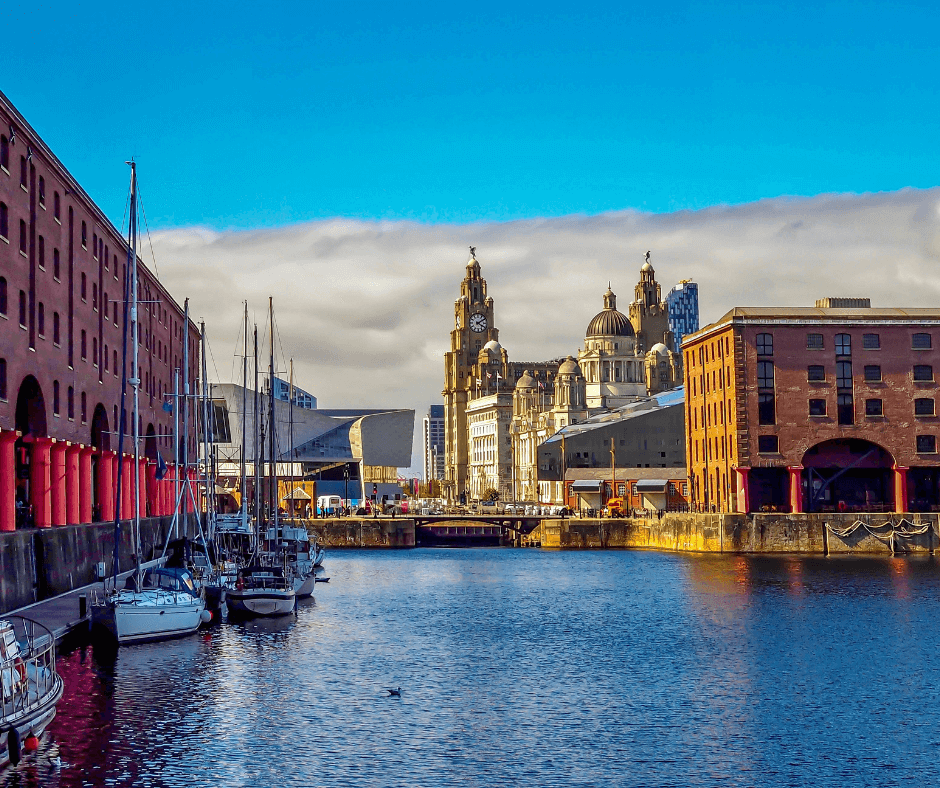
Few English cities have shaped the world quite like Liverpool. Once one of Britain’s most important ports, its ships carried people and goods across continents and helped power global trade. That maritime history left an unmistakable mark on the city’s skyline, its culture, and even its sense of humor. As a result, there are so many things to do in Liverpool England!
By the mid-20th century, Liverpool had another claim to fame.
Music.
The Beatles began here, and their story remains intertwined with the city itself. Today, Liverpool celebrates both its maritime heritage and its cultural rebirth. Visitors come for the history, the cathedrals, the museums, and the music that still runs through its streets and performance venues.
Liverpool is easy to reach by train from London or Manchester and makes an excellent base for exploring northern England, especially for travelers who’d rather skip the car hire.
Here are some of the best things to do in Liverpool, from Beatles landmarks to world-class art and waterfront walks.
Discover more: The 10 best things to do in Manchester England
This post includes affiliate links. I may earn a small commission if you make a purchase through them, at no additional cost to you.
The Beatles Story
No trip to Liverpool is complete without stepping inside The Beatles Story at Royal Albert Dock. This immersive museum recreates the band’s journey from humble beginnings to international stardom. Walk through sets inspired by The Cavern Club, Abbey Road Studios, and other key locations while listening to an audio guide narrated by John Lennon’s sister, Julia.
The museum houses original memorabilia including George Harrison’s first guitar and John Lennon’s final piano. Families will enjoy the Discovery Zone, while a green-screen experience lets visitors snap photos with Beatles-themed backdrops. With cafés, shops, and additional exhibitions at its second location at Pier Head, The Beatles Story remains the city’s must-see musical attraction.
Liverpool Beatles Museum
For serious fans, the Liverpool Beatles Museum dives even deeper. Spread across three floors of a historic building, it follows the band from their Liverpool and Hamburg days to global fame. More than 1,000 items fill the galleries, from George Harrison’s Futurama Grazio guitar and Pete Best’s drum kit to Paul McCartney’s microphone from the Casbah Coffee Club.
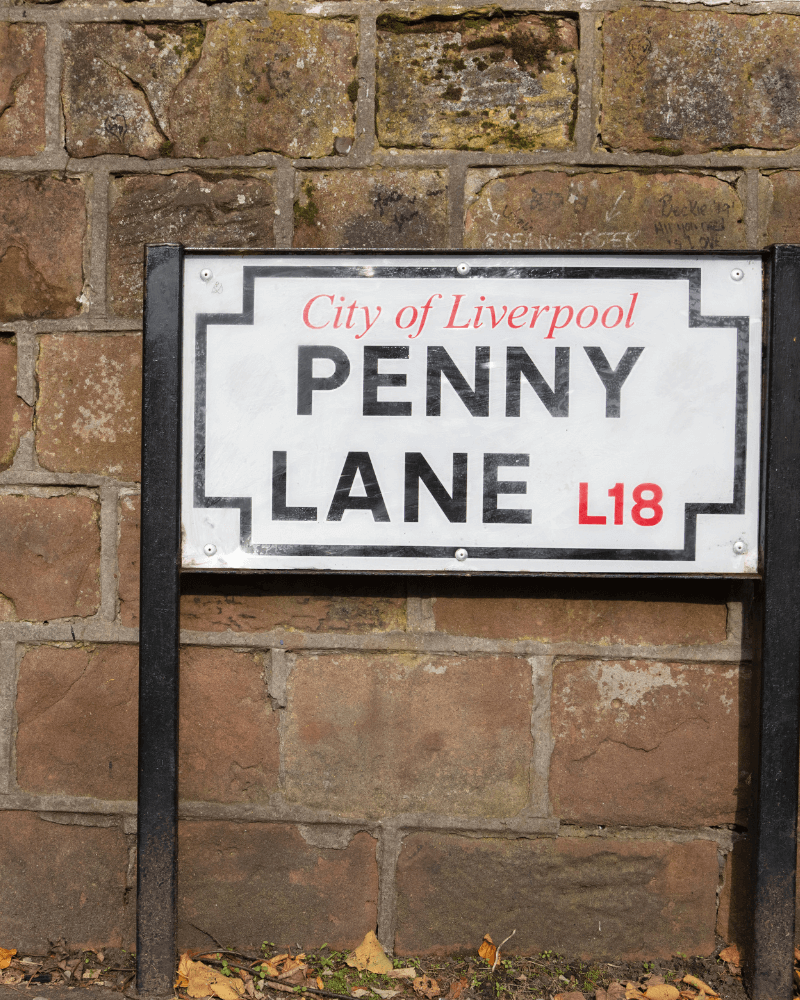
The museum’s founder, Roag Best, is the brother of original drummer Pete Best, and his family’s connection gives the exhibits an insider’s perspective. Together with The Beatles Story, it forms part of a Beatles pilgrimage that can be continued with stops at Strawberry Field and Penny Lane, both short journeys from the city centre and filled with nods to Beatles lyrics and lore.
The Cavern Club
The Cavern Club on Mathew Street is where it all started. Opened in 1957, it hosted nearly 300 Beatles performances and remains a cornerstone of Liverpool’s music scene. Step inside and you’ll find live music almost every day of the week, with tribute acts, emerging bands, and plenty of locals singing along.
The vaulted brick cellars still feel authentic, and the small stage area has been the setting for decades of rock and roll history. Even if you’re not a huge Beatles fan, it’s worth visiting for the energy alone. It’s a reminder of why Liverpool continues to be considered the World Capital of Pop.
Museum of Liverpool
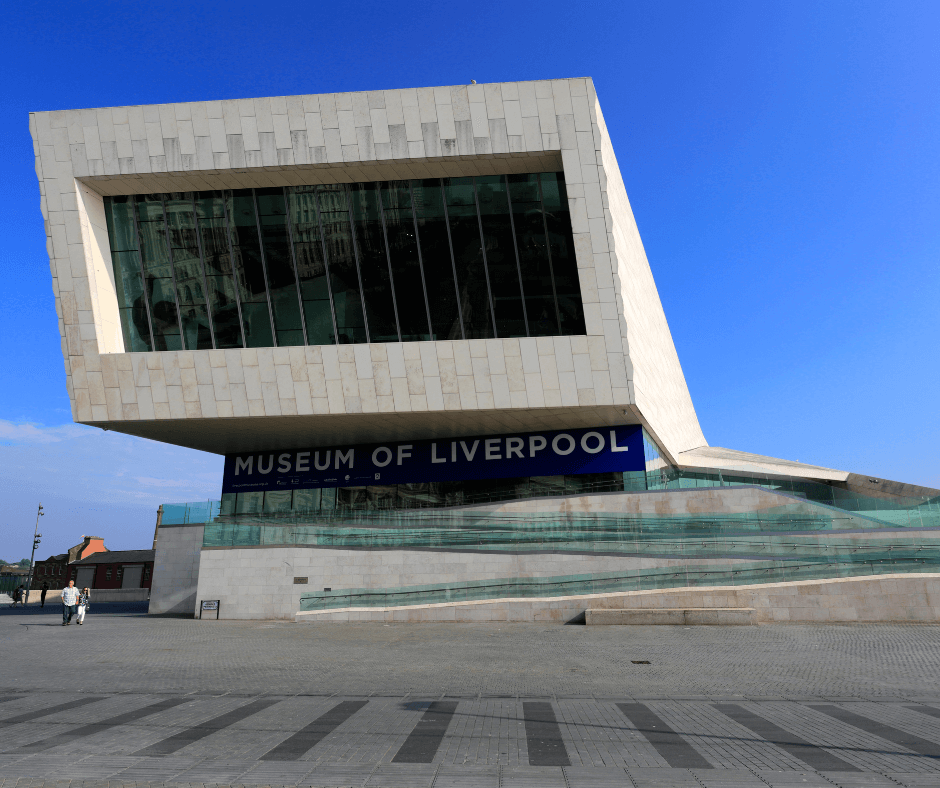
Opened in 2011, the Museum of Liverpool tells the city’s story through its people and its place as a major port. Exhibits cover everything from archaeology and industry to music and social history. Highlights include artifacts from the Liverpool Overhead Railway, the Huxley Viking silver hoard, and photographs from the city’s Merseybeat era.
Families will appreciate the Little Liverpool play zone for younger children and activity trails for older ones. The museum’s glass-fronted building overlooks the waterfront, offering views across the River Mersey. Entry is free, and with cafes and shop on-site, it’s easy to spend a couple of hours here.
Tate Liverpool
Art lovers should add Tate Liverpool to their list. Located at Royal Albert Dock, it’s the northern outpost of London’s Tate galleries and showcases modern and contemporary art from around the world. Expect rotating exhibitions featuring artists like Barbara Hepworth, David Hockney, and Yayoi Kusama, alongside pieces from the Tate’s permanent collection.
The building’s industrial architecture contrasts beautifully with the colorful works inside. Entry to the main galleries is free, and there’s a riverside café that’s perfect for a quick break between exhibits.
Walker Art Gallery
Just a short walk from Lime Street Station, the Walker Art Gallery houses one of the UK’s most impressive art collections outside London. Its paintings span the 13th century to the present, with works by Rembrandt, Gainsborough, and Hockney among the highlights.
Temporary exhibitions often feature major British artists, while the Craft and Design Gallery adds a modern touch. The building itself, grand, light-filled, and neoclassical, is a work of art in its own right. Admission is free, and it’s easy to pair a visit here with nearby St. George’s Hall or the Central Library.
Liverpool Cathedral
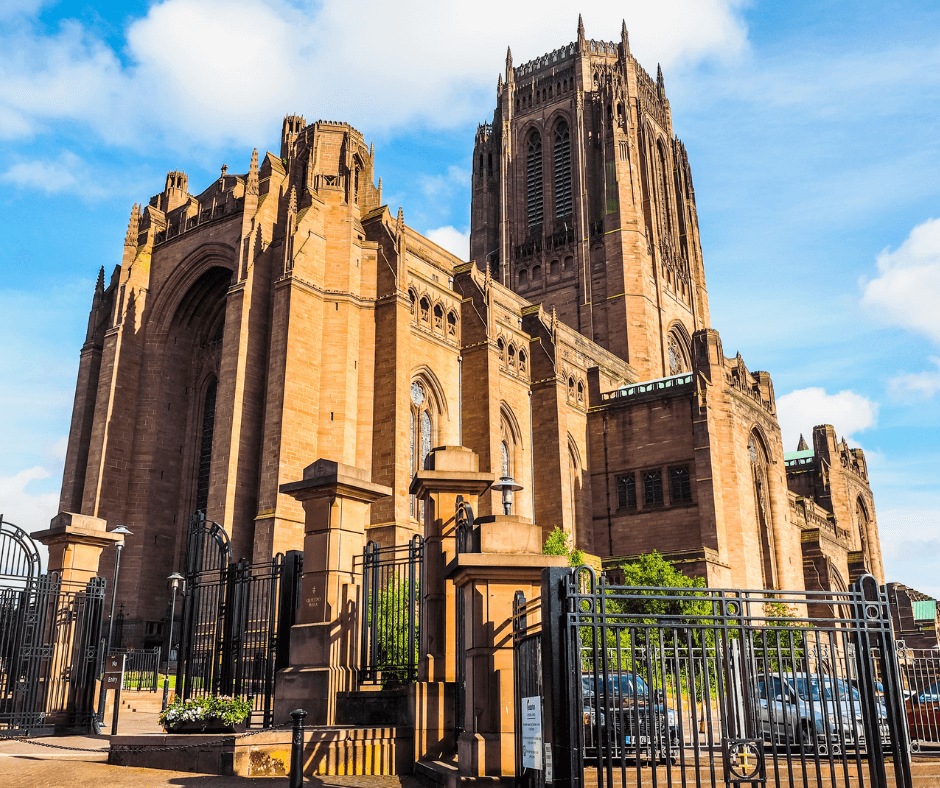
The Liverpool Cathedral is Britain’s largest cathedral and one of its most remarkable buildings. Construction began in 1904, and the Anglican cathedral celebrated its centenary in 2024. Inside, stained glass windows tower above stone arches, and exhibitions bring together faith, art, and music.
For fantastic views, climb to the rooftop via the Tower Experience, which includes two lifts and 108 steps. On clear days, you can see across the Mersey and even as far as Wales. The cathedral’s shop and café make a great place to stop for some refreshments after your climb.
Metropolitan Cathedral of Christ the King
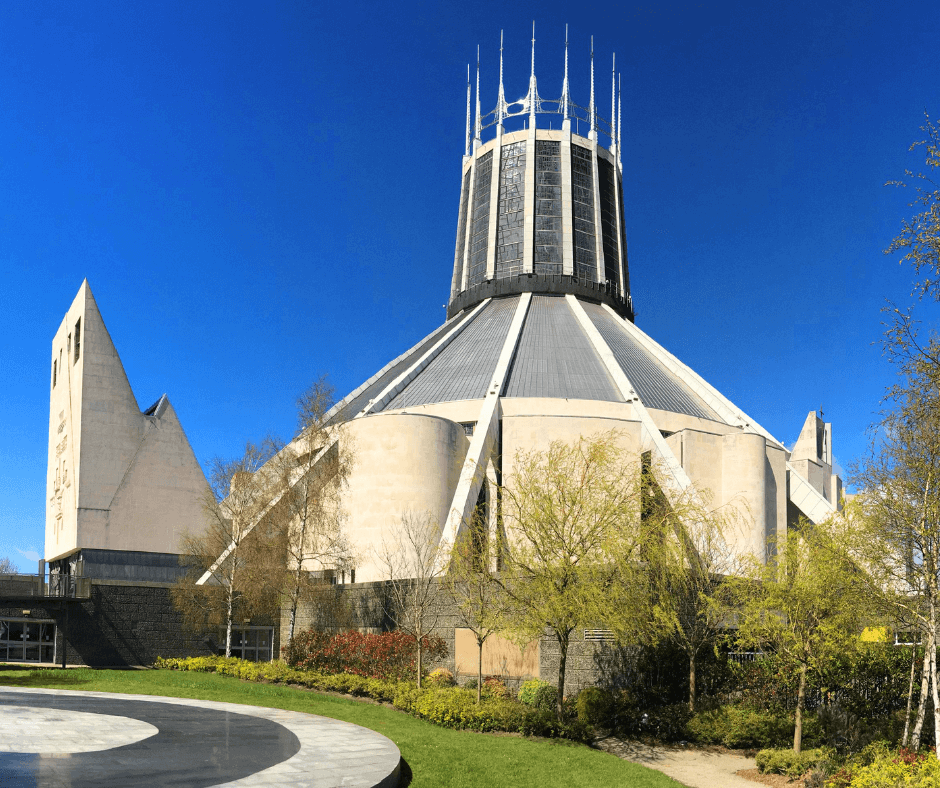
A short walk away, the Metropolitan Cathedral, known locally as the “Paddy’s Wigwam” for its circular, modern design, serves as the head church of the Roman Catholic Archdiocese of Liverpool. Its 1960s architecture centers around a vast lantern window that floods the sanctuary with color.
Visitors can explore chapels surrounding the main space, tour the Treasury, or descend to the impressive Lutyens Crypt below.
Families can use the interactive trail to help children discover the cathedral’s art and symbolism. Together with Liverpool Cathedral, it forms a striking pair that bookends the city’s skyline.
Royal Albert Dock
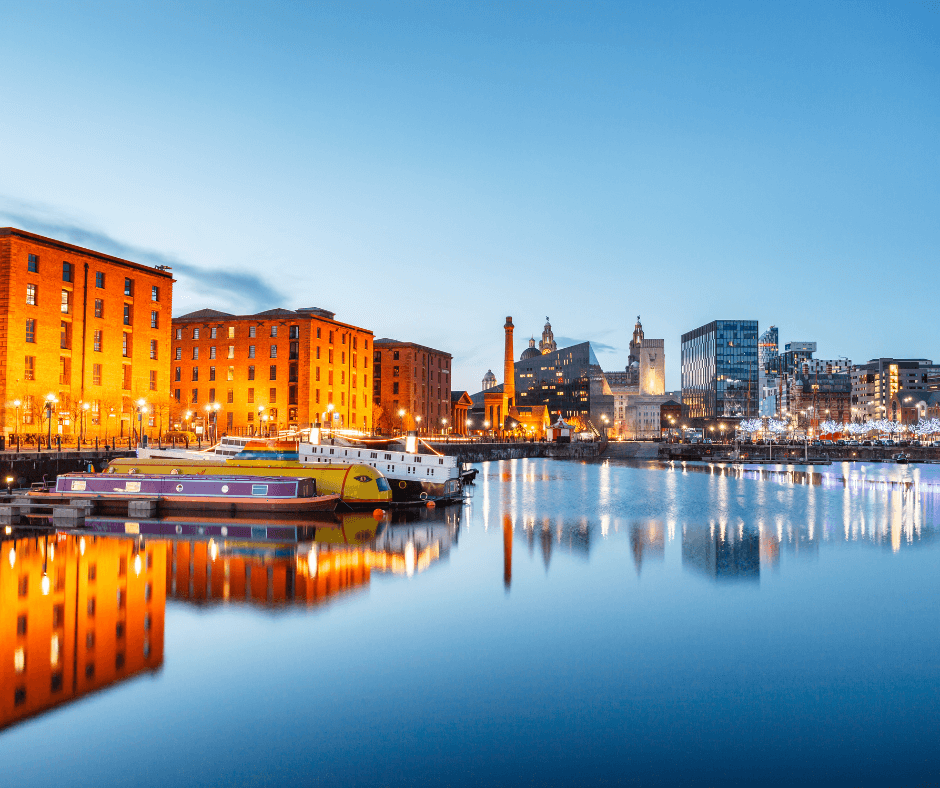
Once the hub of global trade, Royal Albert Dock is now one of Liverpool’s liveliest cultural areas. Its 19th-century warehouses have been transformed into museums, shops, and restaurants, all set along scenic quaysides. You can still spot original cranes, tram tracks, and mooring rings among the restored buildings.
Free attractions and public art installations line the waterfront, while The Beatles Story and Tate Liverpool draw crowds year-round. The Maritime Museum, currently closed for refurbishment, will reopen with expanded galleries celebrating Liverpool’s seafaring legacy and the stories of those who passed through its ports.
Dining options range from casual cafes to fine dining, many with waterfront terraces. It’s an easy place to spend an afternoon, blending history, culture, and good food.
Pier Head and the Three Graces
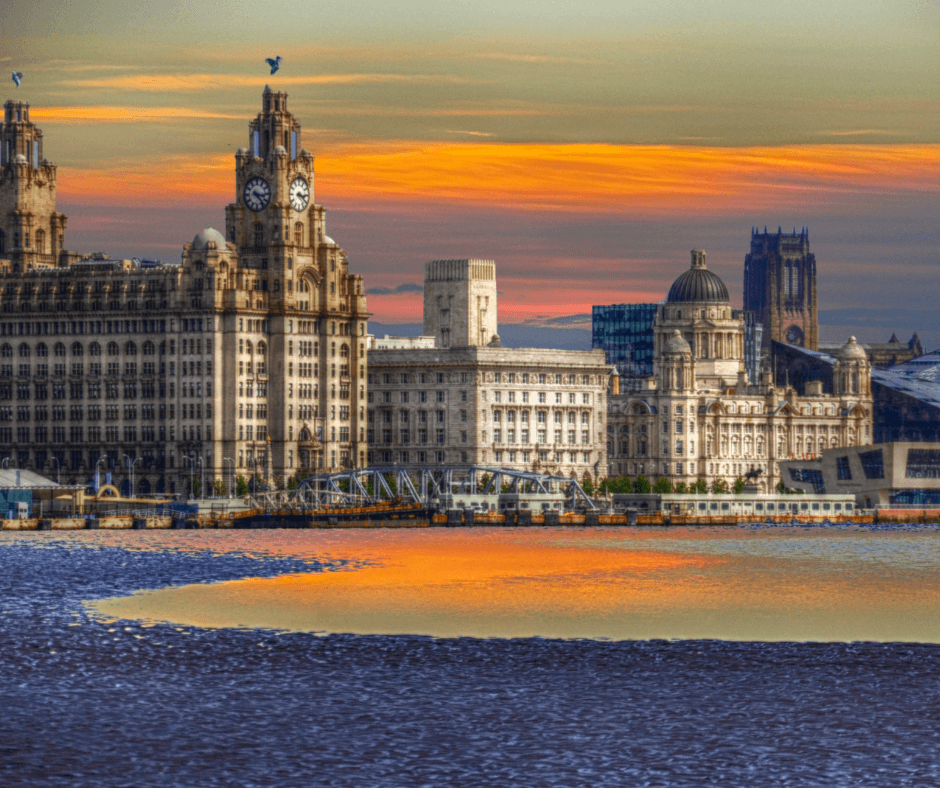
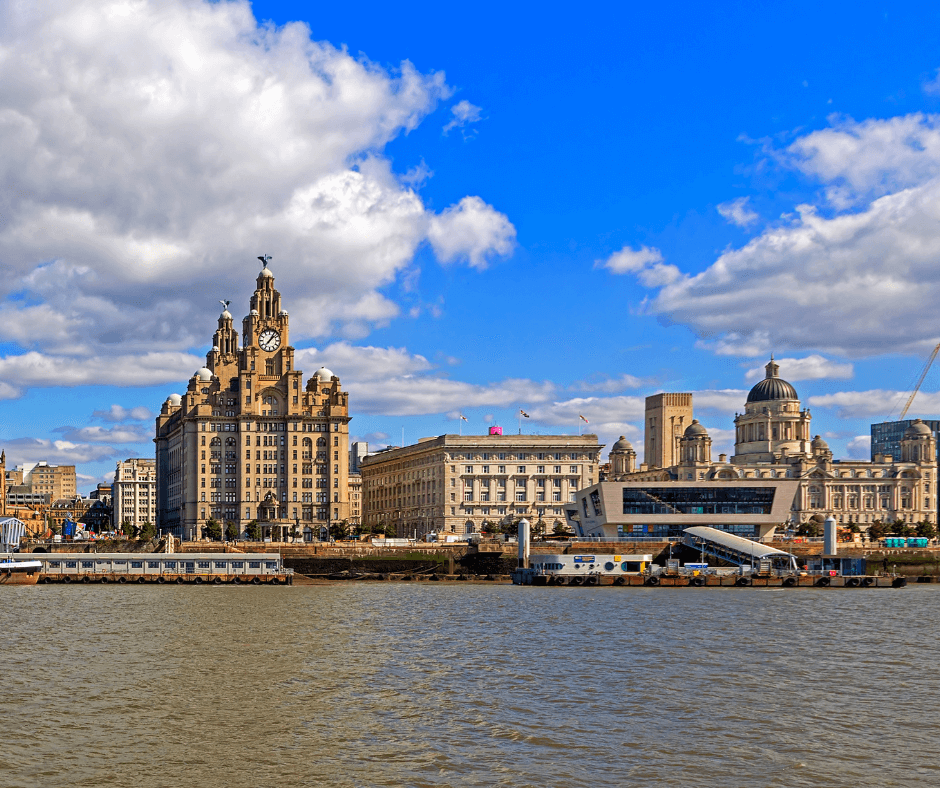
Just along the waterfront, Pier Head anchors Liverpool’s maritime heritage. The Royal Liver Building, the Cunard Building, and the Port of Liverpool Building, known collectively as the Three Graces, represent the city’s early 20th-century grandeur.
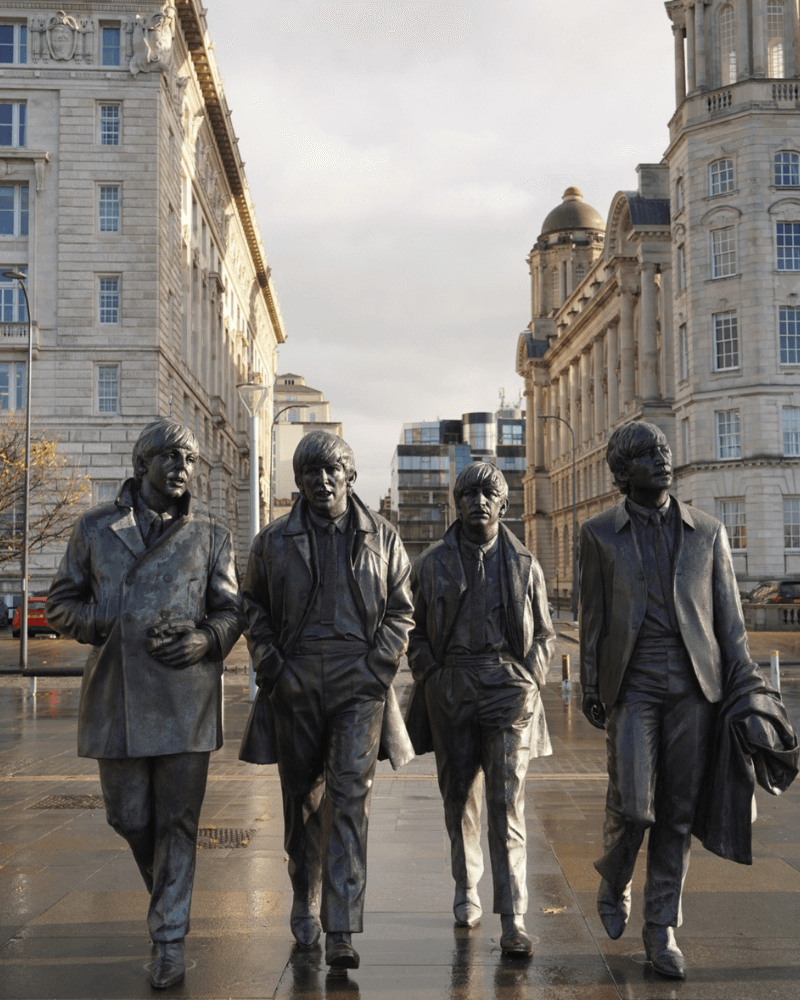
Visitors can explore the plaza, pose by The Beatles statue, or take the Royal Liver Building 360 Tour for panoramic views. Inside the Cunard Building, the British Music Experience charts the history of UK pop from the 1940s to today, connecting perfectly with the city’s ongoing musical legacy.
Pier Head links easily to the Museum of Liverpool and Royal Albert Dock, forming one of the most walkable and photogenic areas in the city.
Why Visit Liverpool Now
Liverpool balances heritage and creativity in a way few cities can. It’s a place where you can walk in the footsteps of The Beatles in the morning, stand beneath cathedral spires in the afternoon, and end the day along a waterfront filled with art and live music.
The city continues to evolve, with new exhibitions, festivals, and redevelopments breathing life into historic districts. Whether you come for music, maritime history, or its unmistakable energy, Liverpool offers experiences that linger long after you’ve gone.
Practical Travel Tips for Visiting Liverpool
Getting There
Liverpool is about 2½ hours from London by train and just over an hour from Manchester. Liverpool John Lennon Airport offers flights across Europe, and taxis or buses can take you into the city center in around 30 minutes.
Getting Around
Most major sights are walkable, especially around the waterfront and city center. The Merseyrail network makes it easy to explore wider areas, while local buses connect major attractions. Ferries across the Mersey run daily and add a scenic twist to getting around.
Where to Stay
For easy access to the main attractions, look for hotels near Albert Dock, the Georgian Quarter, or Ropewalks. Boutique options and modern city-center stays are plentiful, and there are good budget choices near Lime Street Station.
One of my favorite places to stay in Liverpool, especially for die-hard Beatles fans, is the Hard Days Night Hotel. Set in a 19th-century building just steps from the Cavern Club, it pairs contemporary comfort with thoughtful Beatles touches, from original artwork to themed suites, all in the heart of the city’s music district.
Best Time to Visit
Spring through early autumn (April–September) brings the best weather and outdoor festivals. Winter is cooler and wetter, but December’s Christmas markets and lights make it an appealing time for a city break.
How Long to Spend
Plan at least two days to cover the major museums and Beatles highlights. Add another day if you want to explore more art, architecture, or take a daytrip to one of the many interesting areas of the wider Liverpool city region.
Few English cities have shaped the world quite like Liverpool. Once one of Britain’s most important ports, its ships carried people and goods across continents and helped power global trade. That maritime history left an unmistakable mark on the city’s skyline, its culture, and even its sense of humor. As a result, there are so many things to do in Liverpool England!
By the mid-20th century, Liverpool had another claim to fame.
Music.
The Beatles began here, and their story remains intertwined with the city itself. Today, Liverpool celebrates both its maritime heritage and its cultural rebirth. Visitors come for the history, the cathedrals, the museums, and the music that still runs through its streets and performance venues.
Liverpool is easy to reach by train from London or Manchester and makes an excellent base for exploring northern England, especially for travelers who’d rather skip the car hire.
Here are some of the best things to do in Liverpool, from Beatles landmarks to world-class art and waterfront walks.
Discover more: The 10 best things to do in Manchester England
This post includes affiliate links. I may earn a small commission if you make a purchase through them, at no additional cost to you.
The Beatles Story
No trip to Liverpool is complete without stepping inside The Beatles Story at Royal Albert Dock. This immersive museum recreates the band’s journey from humble beginnings to international stardom. Walk through sets inspired by The Cavern Club, Abbey Road Studios, and other key locations while listening to an audio guide narrated by John Lennon’s sister, Julia.
The museum houses original memorabilia including George Harrison’s first guitar and John Lennon’s final piano. Families will enjoy the Discovery Zone, while a green-screen experience lets visitors snap photos with Beatles-themed backdrops. With cafés, shops, and additional exhibitions at its second location at Pier Head, The Beatles Story remains the city’s must-see musical attraction.
Liverpool Beatles Museum
For serious fans, the Liverpool Beatles Museum dives even deeper. Spread across three floors of a historic building, it follows the band from their Liverpool and Hamburg days to global fame. More than 1,000 items fill the galleries, from George Harrison’s Futurama Grazio guitar and Pete Best’s drum kit to Paul McCartney’s microphone from the Casbah Coffee Club.
The museum’s founder, Roag Best, is the brother of original drummer Pete Best, and his family’s connection gives the exhibits an insider’s perspective. Together with The Beatles Story, it forms part of a Beatles pilgrimage that can be continued with stops at Strawberry Field and Penny Lane, both short journeys from the city centre and filled with nods to Beatles lyrics and lore.
The Cavern Club
The Cavern Club on Mathew Street is where it all started. Opened in 1957, it hosted nearly 300 Beatles performances and remains a cornerstone of Liverpool’s music scene. Step inside and you’ll find live music almost every day of the week, with tribute acts, emerging bands, and plenty of locals singing along.
The vaulted brick cellars still feel authentic, and the small stage area has been the setting for decades of rock and roll history. Even if you’re not a huge Beatles fan, it’s worth visiting for the energy alone. It’s a reminder of why Liverpool continues to be considered the World Capital of Pop.
Museum of Liverpool
Opened in 2011, the Museum of Liverpool tells the city’s story through its people and its place as a major port. Exhibits cover everything from archaeology and industry to music and social history. Highlights include artifacts from the Liverpool Overhead Railway, the Huxley Viking silver hoard, and photographs from the city’s Merseybeat era.
Families will appreciate the Little Liverpool play zone for younger children and activity trails for older ones. The museum’s glass-fronted building overlooks the waterfront, offering views across the River Mersey. Entry is free, and with cafes and shop on-site, it’s easy to spend a couple of hours here.
Tate Liverpool
Art lovers should add Tate Liverpool to their list. Located at Royal Albert Dock, it’s the northern outpost of London’s Tate galleries and showcases modern and contemporary art from around the world. Expect rotating exhibitions featuring artists like Barbara Hepworth, David Hockney, and Yayoi Kusama, alongside pieces from the Tate’s permanent collection.
The building’s industrial architecture contrasts beautifully with the colorful works inside. Entry to the main galleries is free, and there’s a riverside café that’s perfect for a quick break between exhibits.
Walker Art Gallery
Just a short walk from Lime Street Station, the Walker Art Gallery houses one of the UK’s most impressive art collections outside London. Its paintings span the 13th century to the present, with works by Rembrandt, Gainsborough, and Hockney among the highlights.
Temporary exhibitions often feature major British artists, while the Craft and Design Gallery adds a modern touch. The building itself, grand, light-filled, and neoclassical, is a work of art in its own right. Admission is free, and it’s easy to pair a visit here with nearby St. George’s Hall or the Central Library.
Liverpool Cathedral
The Liverpool Cathedral is Britain’s largest cathedral and one of its most remarkable buildings. Construction began in 1904, and the Anglican cathedral celebrated its centenary in 2024. Inside, stained glass windows tower above stone arches, and exhibitions bring together faith, art, and music.
For fantastic views, climb to the rooftop via the Tower Experience, which includes two lifts and 108 steps. On clear days, you can see across the Mersey and even as far as Wales. The cathedral’s shop and café make a great place to stop for some refreshments after your climb.
Metropolitan Cathedral of Christ the King
A short walk away, the Metropolitan Cathedral, known locally as the “Paddy’s Wigwam” for its circular, modern design, serves as the head church of the Roman Catholic Archdiocese of Liverpool. Its 1960s architecture centers around a vast lantern window that floods the sanctuary with color.
Visitors can explore chapels surrounding the main space, tour the Treasury, or descend to the impressive Lutyens Crypt below.
Families can use the interactive trail to help children discover the cathedral’s art and symbolism. Together with Liverpool Cathedral, it forms a striking pair that bookends the city’s skyline.
Royal Albert Dock
Once the hub of global trade, Royal Albert Dock is now one of Liverpool’s liveliest cultural areas. Its 19th-century warehouses have been transformed into museums, shops, and restaurants, all set along scenic quaysides. You can still spot original cranes, tram tracks, and mooring rings among the restored buildings.
Free attractions and public art installations line the waterfront, while The Beatles Story and Tate Liverpool draw crowds year-round. The Maritime Museum, currently closed for refurbishment, will reopen with expanded galleries celebrating Liverpool’s seafaring legacy and the stories of those who passed through its ports.
Dining options range from casual cafes to fine dining, many with waterfront terraces. It’s an easy place to spend an afternoon, blending history, culture, and good food.
Pier Head and the Three Graces
Just along the waterfront, Pier Head anchors Liverpool’s maritime heritage. The Royal Liver Building, the Cunard Building, and the Port of Liverpool Building, known collectively as the Three Graces, represent the city’s early 20th-century grandeur.
Visitors can explore the plaza, pose by The Beatles statue, or take the Royal Liver Building 360 Tour for panoramic views. Inside the Cunard Building, the British Music Experience charts the history of UK pop from the 1940s to today, connecting perfectly with the city’s ongoing musical legacy.
Pier Head links easily to the Museum of Liverpool and Royal Albert Dock, forming one of the most walkable and photogenic areas in the city.
Why Visit Liverpool Now
Liverpool balances heritage and creativity in a way few cities can. It’s a place where you can walk in the footsteps of The Beatles in the morning, stand beneath cathedral spires in the afternoon, and end the day along a waterfront filled with art and live music.
The city continues to evolve, with new exhibitions, festivals, and redevelopments breathing life into historic districts. Whether you come for music, maritime history, or its unmistakable energy, Liverpool offers experiences that linger long after you’ve gone.
Practical Travel Tips for Visiting Liverpool
Getting There
Liverpool is about 2½ hours from London by train and just over an hour from Manchester. Liverpool John Lennon Airport offers flights across Europe, and taxis or buses can take you into the city center in around 30 minutes.
Getting Around
Most major sights are walkable, especially around the waterfront and city center. The Merseyrail network makes it easy to explore wider areas, while local buses connect major attractions. Ferries across the Mersey run daily and add a scenic twist to getting around.
Where to Stay
For easy access to the main attractions, look for hotels near Albert Dock, the Georgian Quarter, or Ropewalks. Boutique options and modern city-center stays are plentiful, and there are good budget choices near Lime Street Station.
One of my favorite places to stay in Liverpool, especially for die-hard Beatles fans, is the Hard Days Night Hotel. Set in a 19th-century building just steps from the Cavern Club, it pairs contemporary comfort with thoughtful Beatles touches, from original artwork to themed suites, all in the heart of the city’s music district.
Best Time to Visit
Spring through early autumn (April–September) brings the best weather and outdoor festivals. Winter is cooler and wetter, but December’s Christmas markets and lights make it an appealing time for a city break.
How Long to Spend
Plan at least two days to cover the major museums and Beatles highlights. Add another day if you want to explore more art, architecture, or take a daytrip to one of the many interesting areas of the wider Liverpool city region.

