
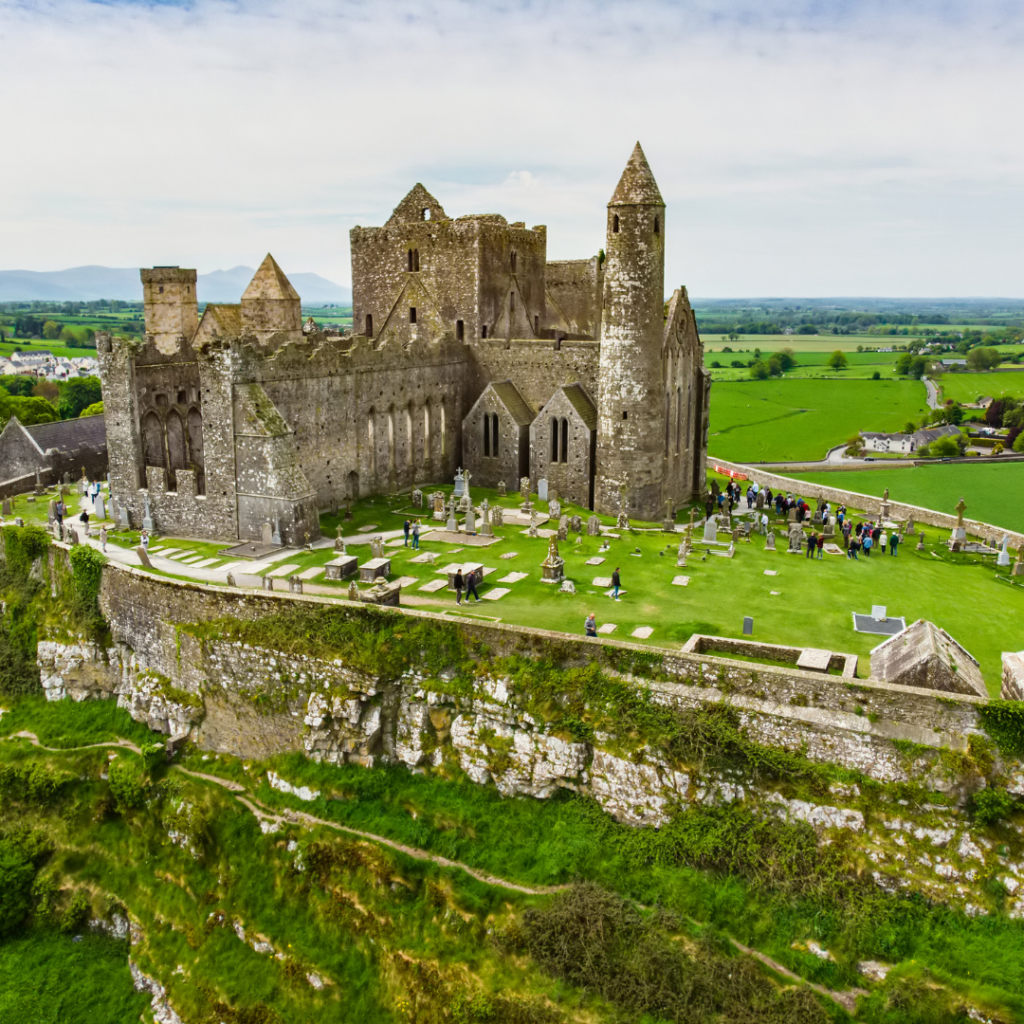
Whether you’re planning your first Ireland tour or returning to explore more of the Emerald Isle, these Ireland travel tips will help you avoid common surprises and travel with confidence. Whether you’re wandering the streets of Dublin, exploring colorful coastal towns, driving the Ring of Kerry or Dingle Peninsula, or discovering ancient castles in western Ireland, a little preparation goes a long way.
Ireland is an easy country to fall in love with. The scenery is spectacular, the people are welcoming, and the pace of life is refreshingly relaxed. But there are also practical differences that can catch visitors off guard, from driving on the left and navigating narrow roads to understanding local customs, tipping, and the difference between Ireland and Northern Ireland.
Here are some of the most useful Ireland travel tips to help your trip go as smoothly as possible.
Before You Travel
Travel regulations, entry requirements, customs procedures, and transportation policies can change over time. This Ireland travel guide is intended as a planning resource, not an official information source.
Before you travel, verify the latest requirements with the appropriate government agencies, including the Irish government, the U.S. Department of State, and U.S. Customs and Border Protection. If you have questions about baggage allowances or travel documentation, your airline is also an excellent source of current information.
Entry Requirements for Ireland
For U.S. citizens, visiting Ireland is straightforward.
Unlike much of continental Europe, Ireland is not part of the Schengen Area. It is also not part of the United Kingdom. Because of this, U.S. passport holders visiting Ireland for tourism do not currently need either a Schengen ETIAS authorization or a UK Electronic Travel Authorization (ETA) for stays of less than 90 days.
Your passport should be valid for the entire duration of your stay and have at least one blank page available.
If your itinerary includes Northern Ireland, however, the rules change. Northern Ireland is part of the United Kingdom, and you’ll need a UK ETA before crossing the border if your nationality requires one. This applies whether you’re arriving directly into Northern Ireland or taking a day trip from the Republic of Ireland.
If you’re traveling on a passport from another country, check Ireland’s entry requirements for your specific nationality before booking your trip.
Read More: Northern Ireland Travel Tips to Help You Plan an Unforgettable Trip
Money and Payments in Ireland
Ireland uses the Euro (€) rather than the British pound, something that’s easy to forget if you’re combining Ireland with other parts of the British Isles.
Credit cards, Apple Pay, Google Pay, and other contactless payment methods are accepted almost everywhere, including hotels, restaurants, museums, attractions, and most taxis.
Even so, one of the simplest Ireland travel tips is to carry a small amount of cash. Rural pubs, farmers markets, small family-run businesses, and some local vendors may still prefer cash or have minimum purchase amounts for cards.
For the best exchange rates, withdraw Euros from an ATM connected to a major bank instead of exchanging currency at the airport. Before leaving home, let your bank and credit card companies know about your travel plans so overseas purchases aren’t flagged as suspicious.
If you travel internationally on a regular basis, you may also want to look into a Wise account. It allows you to hold multiple currencies and often offers favorable exchange rates compared to traditional banks. It can also be a convenient way to convert money before your trip when exchange rates are more favorable.
What to Pack for Ireland

Ireland’s weather has a reputation for changing quickly, and that reputation is well deserved. Sunshine, clouds, rain, and wind can all appear within the same afternoon, even during summer.
Read more: The Ultimate Ireland Packing List
One of the most practical Ireland travel tips is to pack layers rather than clothing designed for a single forecast.
Bring:
- A waterproof rain jacket
- Comfortable walking shoes
- Waterproof footwear if you’ll be exploring the countryside or coastal paths
- A sweater or lightweight fleece, even during summer
- A compact umbrella for city sightseeing
Summer temperatures are generally mild, with daytime highs often remaining in the 60s Fahrenheit. Temperatures above 75°F are relatively uncommon.
Air conditioning is also uncommon throughout Ireland, particularly in historic hotels, country inns, and older buildings. Most accommodations simply open the windows when rooms become warm.
One small difference many American travelers notice as they explore Ireland is that window screens are relatively rare, especially in older buildings.
Ireland Travel Tips – Daylight Hours
Ireland sits much farther north than many visitors realize, which means daylight changes dramatically throughout the year.
During June, sunrise may occur before 5:00 a.m., while daylight can last until after 10:00 p.m. These long evenings are wonderful for sightseeing, scenic drives, and lingering over dinner after a full day of exploring.
Winter is very different. Around December, darkness may arrive before 4:30 p.m., making sightseeing days feel much shorter.
If you’re planning scenic drives, coastal walks, or visits to castles and gardens during autumn, winter, or early spring, pay attention to sunrise and sunset times. A route that looks simple on a map can feel very different if you’re navigating unfamiliar country roads after dark.
Read More: 7 Things to Do in Cobh, Ireland
Pack Smaller Luggage Than You Think You’ll Need
One of the easiest Ireland tips to make traveling more enjoyable is to bring less luggage.
Throughout your trip, you’ll likely handle your own bags while boarding trains, checking into smaller hotels, or loading luggage into rental cars and taxis. Vehicles throughout Ireland are generally much smaller than many Americans expect, and large suitcases can quickly fill an entire trunk.
If you’re traveling by rail, luggage storage is also more limited than many visitors anticipate. Smaller bags often fit in overhead racks, while larger suitcases must be stored near the doors on a first-come, first-served basis.
A medium-sized suitcase and a backpack per traveler is often much easier to manage than a large checked bag.
Traveling lighter also makes it easier to move between cities, navigate historic hotels without elevators, and still leave room for a few souvenirs on the journey home.
Read More: Wales Travel Tips to Help You Plan a Smoother Trip
Ireland Travel Tips – Culture Differences to Know
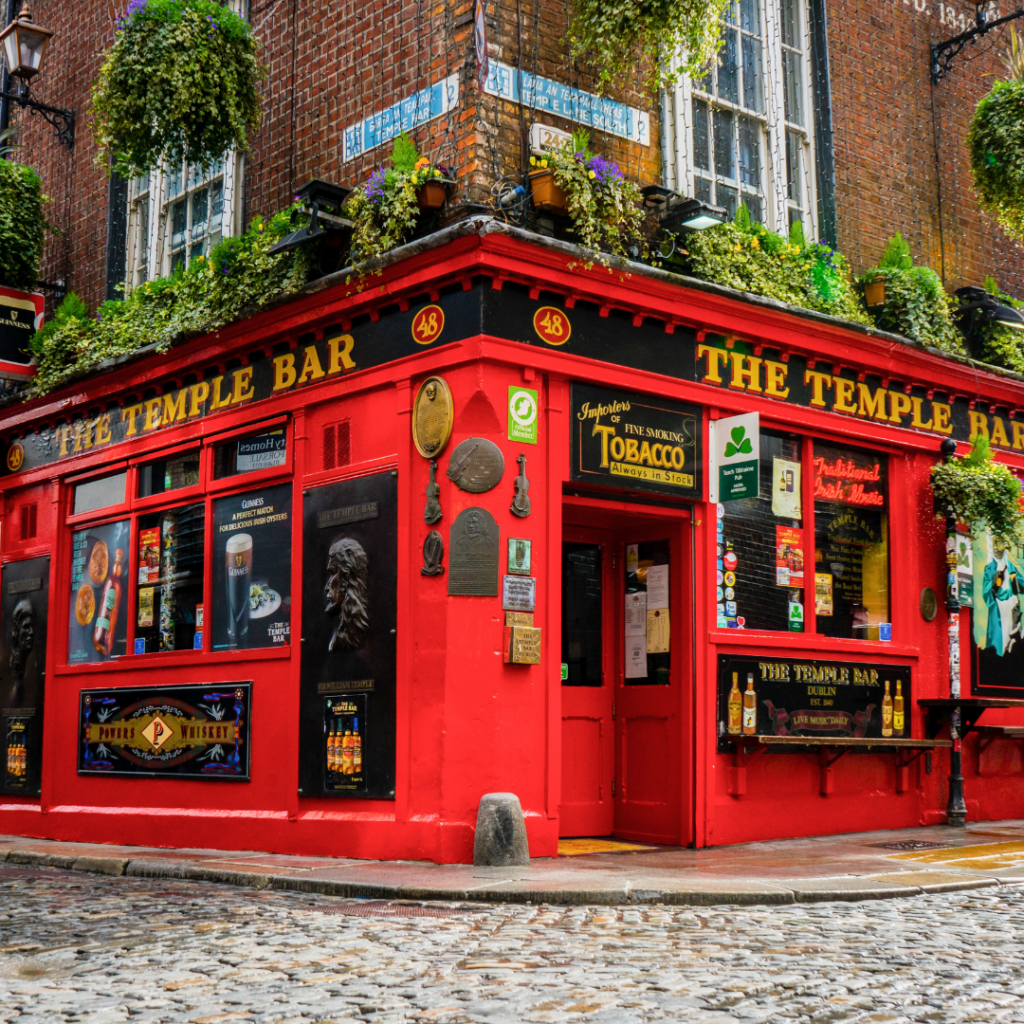
Because English is widely spoken, many Americans assume Ireland will feel almost identical to home. In reality, Irish culture has its own customs, traditions, and social expectations that are worth understanding before you arrive.
Politeness goes a long way. Saying “please,” “thank you,” and “sorry” is expected in everyday conversation, whether you’re ordering coffee, asking for directions, or checking into your hotel.
Queuing is also taken seriously. Wait your turn, avoid cutting in line, and be patient if service moves at a slower pace than you’re used to.
Conversation tends to be more understated than in the United States. Humor is an important part of Irish culture, often relying on wit, irony, and self-deprecation. Don’t be surprised if someone responds to a compliment with a joke rather than a simple “thank you.”
You’ll also notice that public conversations are generally quieter. Speaking at a moderate volume helps you blend in, especially in restaurants, pubs, trains, and smaller villages.
One cultural point that’s particularly important for visitors is understanding the difference between Ireland and the United Kingdom. Ireland is an independent nation with its own history and identity. Referring to Ireland as part of the UK, or assuming Irish and British identities are interchangeable, is likely to cause offense.
Topics such as Northern Ireland, politics, religion, and historical conflicts can also be sensitive. Unless someone raises the subject naturally, they’re usually best avoided in casual conversation.
Read more: How Ireland celebrates St Patrick’s Day
Dining and Tipping in Ireland
Dinner in Ireland often begins later than many Americans expect, with many restaurants starting full dinner service around 7:00 p.m.
Reservations are strongly recommended, particularly in Dublin, Galway, Killarney, Cork, and other popular destinations during the busy travel season. In smaller towns, restaurant choices may be more limited than expected, making advance reservations worthwhile there as well.
Read more: What is a traditional Irish breakfast?
If you know where you’ll be spending the evening, booking ahead is one of the simplest Ireland travel tips for avoiding disappointment.
Tipping is also different from the United States. Restaurant staff receive a base wage, so gratuities are generally more modest.
Some restaurants automatically include a service charge of around 10-12.5%. If that’s already included on the bill, an additional tip usually isn’t necessary. If no service charge is included, a tip of approximately 10-15% is customary for good service.
In pubs, you’ll generally order drinks directly at the bar unless table service is offered. If you’re traveling with a group, don’t be surprised if people take turns buying rounds for everyone. It’s a long-standing Irish tradition and part of the social experience.
Staying Safe in Ireland
Ireland is widely considered one of Europe’s safest destinations, but it’s still worth taking the same common-sense precautions you would anywhere else.
Keep your bag zipped and close to your body, especially in busy areas like Dublin’s Temple Bar, popular attractions, train stations, and public transportation. Avoid leaving phones, cameras, or other valuables unattended at cafés or restaurants.
Petty theft is far more common than violent crime, and simple awareness goes a long way.
It’s also a good idea to keep both digital and paper copies of important documents, including your passport, travel insurance information, and any reservation confirmations.
Emergency services can be reached by calling 112, Ireland’s nationwide emergency number. The operator can dispatch police, fire, or ambulance services as needed.
Read More: Tips for Traveling in Scotland – What to Know Before You Go
Pharmacies and Medical Care
If you become ill while traveling, pharmacies are often the quickest place to seek advice for minor medical concerns.
Boots and McCabes are two of Ireland’s best-known pharmacy chains, although many communities also have independently owned pharmacies. Pharmacists can often recommend treatments for common travel illnesses, minor infections, allergies, motion sickness, and insect bites without requiring a doctor’s appointment.
For non-emergency medical issues that need additional care, you can visit a local GP (General Practitioner). Your hotel can usually recommend one nearby.
Hospital emergency rooms are commonly referred to as the Emergency Department (ED) or A&E (Accident & Emergency). Reserve these for serious illnesses or injuries.
Travel insurance is strongly recommended for any trip to Ireland. Many policies now include virtual medical consultations, which can be particularly helpful if you need advice while traveling.
Electricity and Plug Adapters
Ireland uses Type G electrical outlets, the same three-rectangular-prong plugs used throughout the United Kingdom.
You’ll need a UK/Ireland plug adapter for American electronics.
Read More: England Travel Tips – Things to Know Before Traveling to England
Most modern devices, including phones, tablets, laptops and camera chargers, are dual voltage. If the label reads 100-240V, you’ll only need the adapter, not a voltage converter.
USB is universal, so any device that uses USB or USB-C can be charged as normal.
Hair dryers, curling irons, and other high-powered appliances should be checked carefully before travel. If they’re only rated for 110V, they shouldn’t be plugged directly into Irish outlets without an appropriate converter.
Another detail that surprises many visitors is that Irish outlets have individual switches. If your phone isn’t charging, check that both the charger is plugged in and the outlet has been switched on.
Bathrooms are also different from what Americans are used to. Standard electrical outlets generally aren’t permitted inside bathrooms. Instead, you’ll usually find only a low-powered shaver socket, with hair dryers and mirrors located just outside the bathroom.
Wi-Fi and Cell Service
Wi-Fi is widely available throughout Ireland in hotels, restaurants, cafés, airports, and train stations.
Speeds are generally excellent in larger cities, although connections can become slower in more rural parts of the country.
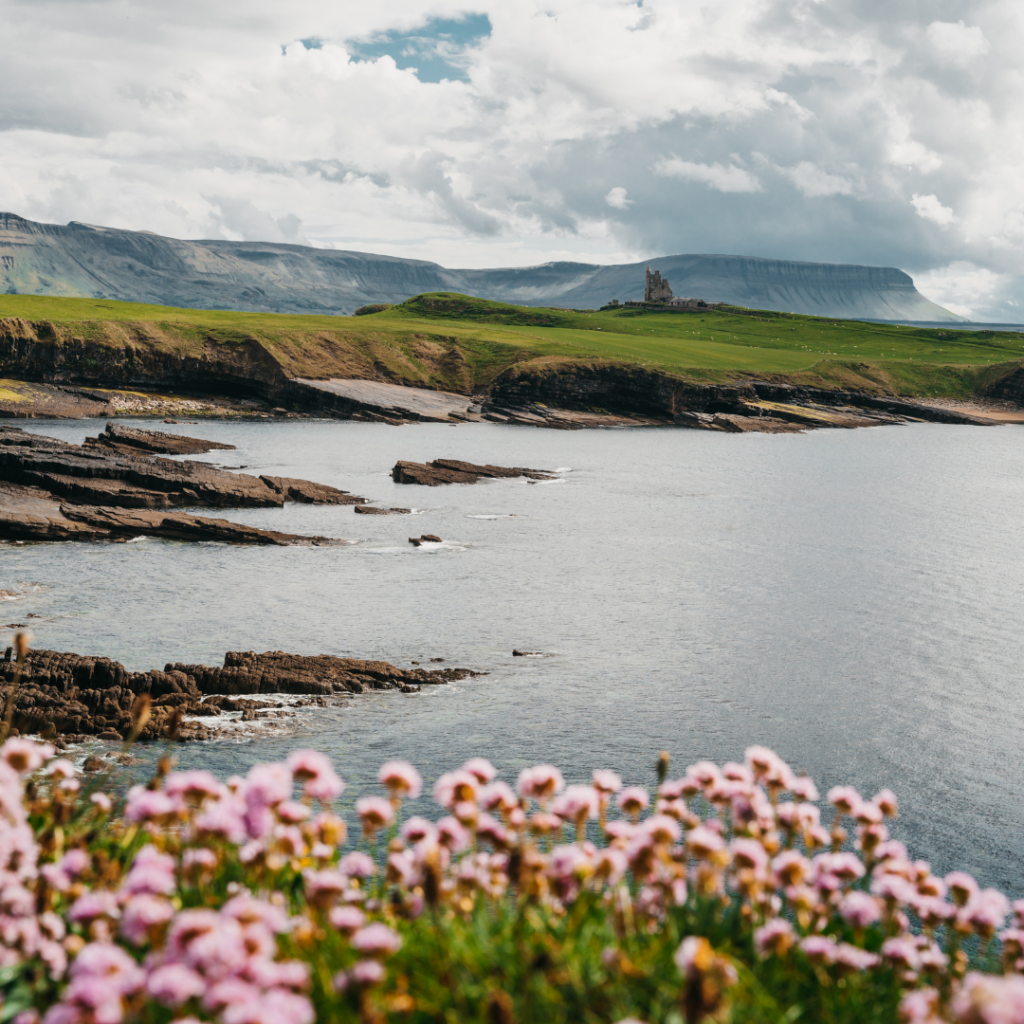
Cellular coverage is strong throughout Dublin, Cork, Galway, Limerick, Killarney, and most populated areas. Coverage can become less reliable along remote stretches of the Wild Atlantic Way, mountainous regions, areas of the Irish countryside, and along the west Ireland coastline.
One of the more practical Ireland travel tips is to download important information before heading into rural areas, including:
- Offline maps
- Hotel confirmations
- Train or ferry tickets
- Driving directions
- Restaurant reservations
- Any tour vouchers or travel documents
If your phone supports eSIMs, they can be an easy way to add affordable mobile data for your trip. Otherwise, check with your U.S. provider about international coverage before you leave home.
Getting Around Ireland
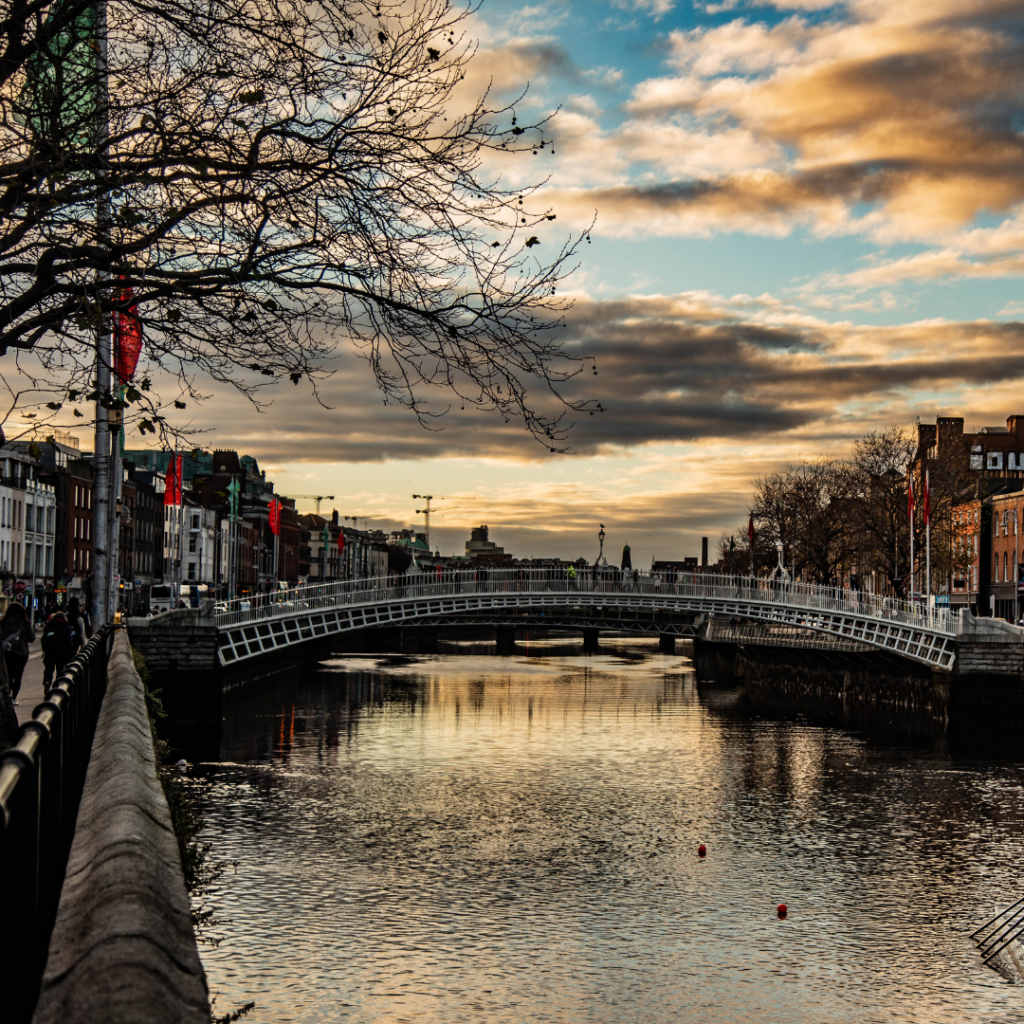
Ireland offers a variety of public transport options, and the best choice often depends on where you’re traveling.
Trains connect Dublin city with cities including Cork, Galway, Limerick, Waterford, and Belfast, making rail travel an excellent option between major destinations. Booking tickets in advance often results in lower fares.
Within Dublin, the Luas tram system provides an easy way to travel around the city, while buses fill the gaps both within Dublin and throughout the rest of the country.
Outside the major cities, buses become increasingly important. Some rural routes operate only a few times each day, so checking schedules in advance is much better than assuming frequent service.
Walking is also one of the best ways to experience Ireland’s cities and towns. Dublin, Galway, Kilkenny, and many smaller communities are compact enough to explore comfortably on foot, allowing you to discover local shops, cafés, and pubs that are easy to miss from a vehicle.
If your itinerary includes the Aran Islands or other offshore destinations, ferries become part of your travel planning. Passenger and vehicle ferries operate throughout the year, although schedules can vary seasonally and may be affected by weather. During the busiest months, advance reservations are recommended.
Driving in Ireland
For many travelers, a rental car is the best way to experience Ireland.
While trains and buses connect the larger cities well, having your own vehicle on an Ireland trip makes it possible to explore scenic coastal drives, small villages, ancient ruins, castles, and many of Ireland’s most beautiful landscapes at your own pace.
You’ll drive on the left side of the road, with the steering wheel on the right side of the vehicle.
Roads outside the cities are often much narrower than Americans expect. Stone walls, hedges, and winding country lanes are common, particularly along the Wild Atlantic Way and in rural counties.
Many common tourist routes are clearly marked, with signs in both English and Irish Gaelic.
One of the most valuable Ireland travel tips is to rent the smallest vehicle that comfortably fits your luggage. Smaller cars are much easier to manage on narrow roads, tight village streets, and compact parking spaces.
You’ll also encounter many roundabouts throughout Ireland.
Traffic already on the roundabout always has the right of way, so look to your right before entering. Larger roundabouts often include lane markings that indicate which lane should be used for each exit.
Unlike the United States, speed limits are posted in kilometers per hour, not miles per hour.
Keep in mind that posted limits represent the legal maximum, not the speed you should necessarily drive. Many country roads are narrow, winding, and shared with cyclists, farm equipment, or even livestock. Drive at a pace that’s comfortable for both you and the road conditions.
Public Toilets
Public restrooms in Ireland are usually called toilets or loos, although you may occasionally hear the uniquely Irish slang term “the jacks.”
Facilities are common in cities, shopping areas, train stations, museums, and major attractions. In rural areas, however, they can be much less frequent.
One of the simplest Ireland travel tips is to use the restroom whenever you have the opportunity before beginning a long drive or visiting more remote areas.
Some public toilets charge a small fee. Larger cities increasingly accept contactless payment, while smaller communities may still use donation boxes or require a few coins.
Pubs generally have toilets available for customers. If you stop specifically to use the facilities, it’s considered polite to purchase a drink or snack.
Returning Home to the United States
One feature that makes flying home from Ireland especially convenient is U.S. Preclearance.
Both Dublin Airport and Shannon Airport allow eligible passengers traveling to the United States to complete U.S. immigration and customs procedures before boarding their flight. When you land in the U.S., you’ll arrive as a domestic passenger, allowing you to simply collect your luggage (if necessary) and continue to your connecting flight without clearing customs again.
If you have Global Entry, you may also be able to use the expedited Global Entry lane during the preclearance process.
Even with preclearance, allow extra time at the airport, particularly during busy travel periods.
As with any international trip, avoid bringing restricted agricultural products such as fresh fruits, vegetables, plants, or meats back into the United States.
If you purchase duty-free liquids before your flight, keep them sealed in the tamper-evident bag provided at the airport.
The Bottom Line
These Ireland travel tips won’t eliminate every surprise, but they’ll help you spend less time worrying about logistics and more time enjoying everything the country has to offer.
Whether you’re exploring Dublin’s historic streets, driving along the Wild Atlantic Way, visiting castles and ancient monasteries, or discovering small villages that never seem to make the guidebooks, a little preparation can make your Ireland vacation far more enjoyable.
If you’re looking for more destination inspiration, itinerary ideas, and practical planning advice, be sure to explore our other Ireland travel resources.
Ready to start planning your next Irish adventure with an Ireland travel expert? Contact Girasole Travel today to get started.
Whether you’re planning your first Ireland tour or returning to explore more of the Emerald Isle, these Ireland travel tips will help you avoid common surprises and travel with confidence. Whether you’re wandering the streets of Dublin, exploring colorful coastal towns, driving the Ring of Kerry or Dingle Peninsula, or discovering ancient castles in western Ireland, a little preparation goes a long way.
Ireland is an easy country to fall in love with. The scenery is spectacular, the people are welcoming, and the pace of life is refreshingly relaxed. But there are also practical differences that can catch visitors off guard, from driving on the left and navigating narrow roads to understanding local customs, tipping, and the difference between Ireland and Northern Ireland.
Here are some of the most useful Ireland travel tips to help your trip go as smoothly as possible.
Before You Travel
Travel regulations, entry requirements, customs procedures, and transportation policies can change over time. This Ireland travel guide is intended as a planning resource, not an official information source.
Before you travel, verify the latest requirements with the appropriate government agencies, including the Irish government, the U.S. Department of State, and U.S. Customs and Border Protection. If you have questions about baggage allowances or travel documentation, your airline is also an excellent source of current information.
Entry Requirements for Ireland
For U.S. citizens, visiting Ireland is straightforward.
Unlike much of continental Europe, Ireland is not part of the Schengen Area. It is also not part of the United Kingdom. Because of this, U.S. passport holders visiting Ireland for tourism do not currently need either a Schengen ETIAS authorization or a UK Electronic Travel Authorization (ETA) for stays of less than 90 days.
Your passport should be valid for the entire duration of your stay and have at least one blank page available.
If your itinerary includes Northern Ireland, however, the rules change. Northern Ireland is part of the United Kingdom, and you’ll need a UK ETA before crossing the border if your nationality requires one. This applies whether you’re arriving directly into Northern Ireland or taking a day trip from the Republic of Ireland.
If you’re traveling on a passport from another country, check Ireland’s entry requirements for your specific nationality before booking your trip.
Read More: Northern Ireland Travel Tips to Help You Plan an Unforgettable Trip
Money and Payments in Ireland
Ireland uses the Euro (€) rather than the British pound, something that’s easy to forget if you’re combining Ireland with other parts of the British Isles.
Credit cards, Apple Pay, Google Pay, and other contactless payment methods are accepted almost everywhere, including hotels, restaurants, museums, attractions, and most taxis.
Even so, one of the simplest Ireland travel tips is to carry a small amount of cash. Rural pubs, farmers markets, small family-run businesses, and some local vendors may still prefer cash or have minimum purchase amounts for cards.
For the best exchange rates, withdraw Euros from an ATM connected to a major bank instead of exchanging currency at the airport. Before leaving home, let your bank and credit card companies know about your travel plans so overseas purchases aren’t flagged as suspicious.
If you travel internationally on a regular basis, you may also want to look into a Wise account. It allows you to hold multiple currencies and often offers favorable exchange rates compared to traditional banks. It can also be a convenient way to convert money before your trip when exchange rates are more favorable.
What to Pack for Ireland
Ireland’s weather has a reputation for changing quickly, and that reputation is well deserved. Sunshine, clouds, rain, and wind can all appear within the same afternoon, even during summer.
Read more: The Ultimate Ireland Packing List
One of the most practical Ireland travel tips is to pack layers rather than clothing designed for a single forecast.
Bring:
- A waterproof rain jacket
- Comfortable walking shoes
- Waterproof footwear if you’ll be exploring the countryside or coastal paths
- A sweater or lightweight fleece, even during summer
- A compact umbrella for city sightseeing
Summer temperatures are generally mild, with daytime highs often remaining in the 60s Fahrenheit. Temperatures above 75°F are relatively uncommon.
Air conditioning is also uncommon throughout Ireland, particularly in historic hotels, country inns, and older buildings. Most accommodations simply open the windows when rooms become warm.
One small difference many American travelers notice as they explore Ireland is that window screens are relatively rare, especially in older buildings.
Ireland Travel Tips – Daylight Hours
Ireland sits much farther north than many visitors realize, which means daylight changes dramatically throughout the year.
During June, sunrise may occur before 5:00 a.m., while daylight can last until after 10:00 p.m. These long evenings are wonderful for sightseeing, scenic drives, and lingering over dinner after a full day of exploring.
Winter is very different. Around December, darkness may arrive before 4:30 p.m., making sightseeing days feel much shorter.
If you’re planning scenic drives, coastal walks, or visits to castles and gardens during autumn, winter, or early spring, pay attention to sunrise and sunset times. A route that looks simple on a map can feel very different if you’re navigating unfamiliar country roads after dark.
Read More: 7 Things to Do in Cobh, Ireland
Pack Smaller Luggage Than You Think You’ll Need
One of the easiest Ireland tips to make traveling more enjoyable is to bring less luggage.
Throughout your trip, you’ll likely handle your own bags while boarding trains, checking into smaller hotels, or loading luggage into rental cars and taxis. Vehicles throughout Ireland are generally much smaller than many Americans expect, and large suitcases can quickly fill an entire trunk.
If you’re traveling by rail, luggage storage is also more limited than many visitors anticipate. Smaller bags often fit in overhead racks, while larger suitcases must be stored near the doors on a first-come, first-served basis.
A medium-sized suitcase and a backpack per traveler is often much easier to manage than a large checked bag.
Traveling lighter also makes it easier to move between cities, navigate historic hotels without elevators, and still leave room for a few souvenirs on the journey home.
Read More: Wales Travel Tips to Help You Plan a Smoother Trip
Ireland Travel Tips – Culture Differences to Know
Because English is widely spoken, many Americans assume Ireland will feel almost identical to home. In reality, Irish culture has its own customs, traditions, and social expectations that are worth understanding before you arrive.
Politeness goes a long way. Saying “please,” “thank you,” and “sorry” is expected in everyday conversation, whether you’re ordering coffee, asking for directions, or checking into your hotel.
Queuing is also taken seriously. Wait your turn, avoid cutting in line, and be patient if service moves at a slower pace than you’re used to.
Conversation tends to be more understated than in the United States. Humor is an important part of Irish culture, often relying on wit, irony, and self-deprecation. Don’t be surprised if someone responds to a compliment with a joke rather than a simple “thank you.”
You’ll also notice that public conversations are generally quieter. Speaking at a moderate volume helps you blend in, especially in restaurants, pubs, trains, and smaller villages.
One cultural point that’s particularly important for visitors is understanding the difference between Ireland and the United Kingdom. Ireland is an independent nation with its own history and identity. Referring to Ireland as part of the UK, or assuming Irish and British identities are interchangeable, is likely to cause offense.
Topics such as Northern Ireland, politics, religion, and historical conflicts can also be sensitive. Unless someone raises the subject naturally, they’re usually best avoided in casual conversation.
Read more: How Ireland celebrates St Patrick’s Day
Dining and Tipping in Ireland
Dinner in Ireland often begins later than many Americans expect, with many restaurants starting full dinner service around 7:00 p.m.
Reservations are strongly recommended, particularly in Dublin, Galway, Killarney, Cork, and other popular destinations during the busy travel season. In smaller towns, restaurant choices may be more limited than expected, making advance reservations worthwhile there as well.
Read more: What is a traditional Irish breakfast?
If you know where you’ll be spending the evening, booking ahead is one of the simplest Ireland travel tips for avoiding disappointment.
Tipping is also different from the United States. Restaurant staff receive a base wage, so gratuities are generally more modest.
Some restaurants automatically include a service charge of around 10-12.5%. If that’s already included on the bill, an additional tip usually isn’t necessary. If no service charge is included, a tip of approximately 10-15% is customary for good service.
In pubs, you’ll generally order drinks directly at the bar unless table service is offered. If you’re traveling with a group, don’t be surprised if people take turns buying rounds for everyone. It’s a long-standing Irish tradition and part of the social experience.
Staying Safe in Ireland
Ireland is widely considered one of Europe’s safest destinations, but it’s still worth taking the same common-sense precautions you would anywhere else.
Keep your bag zipped and close to your body, especially in busy areas like Dublin’s Temple Bar, popular attractions, train stations, and public transportation. Avoid leaving phones, cameras, or other valuables unattended at cafés or restaurants.
Petty theft is far more common than violent crime, and simple awareness goes a long way.
It’s also a good idea to keep both digital and paper copies of important documents, including your passport, travel insurance information, and any reservation confirmations.
Emergency services can be reached by calling 112, Ireland’s nationwide emergency number. The operator can dispatch police, fire, or ambulance services as needed.
Read More: Tips for Traveling in Scotland – What to Know Before You Go
Pharmacies and Medical Care
If you become ill while traveling, pharmacies are often the quickest place to seek advice for minor medical concerns.
Boots and McCabes are two of Ireland’s best-known pharmacy chains, although many communities also have independently owned pharmacies. Pharmacists can often recommend treatments for common travel illnesses, minor infections, allergies, motion sickness, and insect bites without requiring a doctor’s appointment.
For non-emergency medical issues that need additional care, you can visit a local GP (General Practitioner). Your hotel can usually recommend one nearby.
Hospital emergency rooms are commonly referred to as the Emergency Department (ED) or A&E (Accident & Emergency). Reserve these for serious illnesses or injuries.
Travel insurance is strongly recommended for any trip to Ireland. Many policies now include virtual medical consultations, which can be particularly helpful if you need advice while traveling.
Electricity and Plug Adapters
Ireland uses Type G electrical outlets, the same three-rectangular-prong plugs used throughout the United Kingdom.
You’ll need a UK/Ireland plug adapter for American electronics.
Read More: England Travel Tips – Things to Know Before Traveling to England
Most modern devices, including phones, tablets, laptops and camera chargers, are dual voltage. If the label reads 100-240V, you’ll only need the adapter, not a voltage converter.
USB is universal, so any device that uses USB or USB-C can be charged as normal.
Hair dryers, curling irons, and other high-powered appliances should be checked carefully before travel. If they’re only rated for 110V, they shouldn’t be plugged directly into Irish outlets without an appropriate converter.
Another detail that surprises many visitors is that Irish outlets have individual switches. If your phone isn’t charging, check that both the charger is plugged in and the outlet has been switched on.
Bathrooms are also different from what Americans are used to. Standard electrical outlets generally aren’t permitted inside bathrooms. Instead, you’ll usually find only a low-powered shaver socket, with hair dryers and mirrors located just outside the bathroom.
Wi-Fi and Cell Service
Wi-Fi is widely available throughout Ireland in hotels, restaurants, cafés, airports, and train stations.
Speeds are generally excellent in larger cities, although connections can become slower in more rural parts of the country.
Cellular coverage is strong throughout Dublin, Cork, Galway, Limerick, Killarney, and most populated areas. Coverage can become less reliable along remote stretches of the Wild Atlantic Way, mountainous regions, areas of the Irish countryside, and along the west Ireland coastline.
One of the more practical Ireland travel tips is to download important information before heading into rural areas, including:
- Offline maps
- Hotel confirmations
- Train or ferry tickets
- Driving directions
- Restaurant reservations
- Any tour vouchers or travel documents
If your phone supports eSIMs, they can be an easy way to add affordable mobile data for your trip. Otherwise, check with your U.S. provider about international coverage before you leave home.
Getting Around Ireland
Ireland offers a variety of public transport options, and the best choice often depends on where you’re traveling.
Trains connect Dublin city with cities including Cork, Galway, Limerick, Waterford, and Belfast, making rail travel an excellent option between major destinations. Booking tickets in advance often results in lower fares.
Within Dublin, the Luas tram system provides an easy way to travel around the city, while buses fill the gaps both within Dublin and throughout the rest of the country.
Outside the major cities, buses become increasingly important. Some rural routes operate only a few times each day, so checking schedules in advance is much better than assuming frequent service.
Walking is also one of the best ways to experience Ireland’s cities and towns. Dublin, Galway, Kilkenny, and many smaller communities are compact enough to explore comfortably on foot, allowing you to discover local shops, cafés, and pubs that are easy to miss from a vehicle.
If your itinerary includes the Aran Islands or other offshore destinations, ferries become part of your travel planning. Passenger and vehicle ferries operate throughout the year, although schedules can vary seasonally and may be affected by weather. During the busiest months, advance reservations are recommended.
Driving in Ireland
For many travelers, a rental car is the best way to experience Ireland.
While trains and buses connect the larger cities well, having your own vehicle on an Ireland trip makes it possible to explore scenic coastal drives, small villages, ancient ruins, castles, and many of Ireland’s most beautiful landscapes at your own pace.
You’ll drive on the left side of the road, with the steering wheel on the right side of the vehicle.
Roads outside the cities are often much narrower than Americans expect. Stone walls, hedges, and winding country lanes are common, particularly along the Wild Atlantic Way and in rural counties.
Many common tourist routes are clearly marked, with signs in both English and Irish Gaelic.
One of the most valuable Ireland travel tips is to rent the smallest vehicle that comfortably fits your luggage. Smaller cars are much easier to manage on narrow roads, tight village streets, and compact parking spaces.
You’ll also encounter many roundabouts throughout Ireland.
Traffic already on the roundabout always has the right of way, so look to your right before entering. Larger roundabouts often include lane markings that indicate which lane should be used for each exit.
Unlike the United States, speed limits are posted in kilometers per hour, not miles per hour.
Keep in mind that posted limits represent the legal maximum, not the speed you should necessarily drive. Many country roads are narrow, winding, and shared with cyclists, farm equipment, or even livestock. Drive at a pace that’s comfortable for both you and the road conditions.
Public Toilets
Public restrooms in Ireland are usually called toilets or loos, although you may occasionally hear the uniquely Irish slang term “the jacks.”
Facilities are common in cities, shopping areas, train stations, museums, and major attractions. In rural areas, however, they can be much less frequent.
One of the simplest Ireland travel tips is to use the restroom whenever you have the opportunity before beginning a long drive or visiting more remote areas.
Some public toilets charge a small fee. Larger cities increasingly accept contactless payment, while smaller communities may still use donation boxes or require a few coins.
Pubs generally have toilets available for customers. If you stop specifically to use the facilities, it’s considered polite to purchase a drink or snack.
Returning Home to the United States
One feature that makes flying home from Ireland especially convenient is U.S. Preclearance.
Both Dublin Airport and Shannon Airport allow eligible passengers traveling to the United States to complete U.S. immigration and customs procedures before boarding their flight. When you land in the U.S., you’ll arrive as a domestic passenger, allowing you to simply collect your luggage (if necessary) and continue to your connecting flight without clearing customs again.
If you have Global Entry, you may also be able to use the expedited Global Entry lane during the preclearance process.
Even with preclearance, allow extra time at the airport, particularly during busy travel periods.
As with any international trip, avoid bringing restricted agricultural products such as fresh fruits, vegetables, plants, or meats back into the United States.
If you purchase duty-free liquids before your flight, keep them sealed in the tamper-evident bag provided at the airport.
The Bottom Line
These Ireland travel tips won’t eliminate every surprise, but they’ll help you spend less time worrying about logistics and more time enjoying everything the country has to offer.
Whether you’re exploring Dublin’s historic streets, driving along the Wild Atlantic Way, visiting castles and ancient monasteries, or discovering small villages that never seem to make the guidebooks, a little preparation can make your Ireland vacation far more enjoyable.
If you’re looking for more destination inspiration, itinerary ideas, and practical planning advice, be sure to explore our other Ireland travel resources.
Ready to start planning your next Irish adventure with an Ireland travel expert? Contact Girasole Travel today to get started.

