
Whether you’re exploring Belfast’s history, driving the spectacular Causeway Coast, or hiking through the Mourne Mountains, these Northern Ireland travel tips will help you prepare before you leave home. Although Northern Ireland is part of the United Kingdom, it offers its own culture, traditions, and travel experiences. Understanding a few local customs and practical details before you arrive will help you spend less time worrying about logistics and more time enjoying your journey.
Why Visit Northern Ireland?
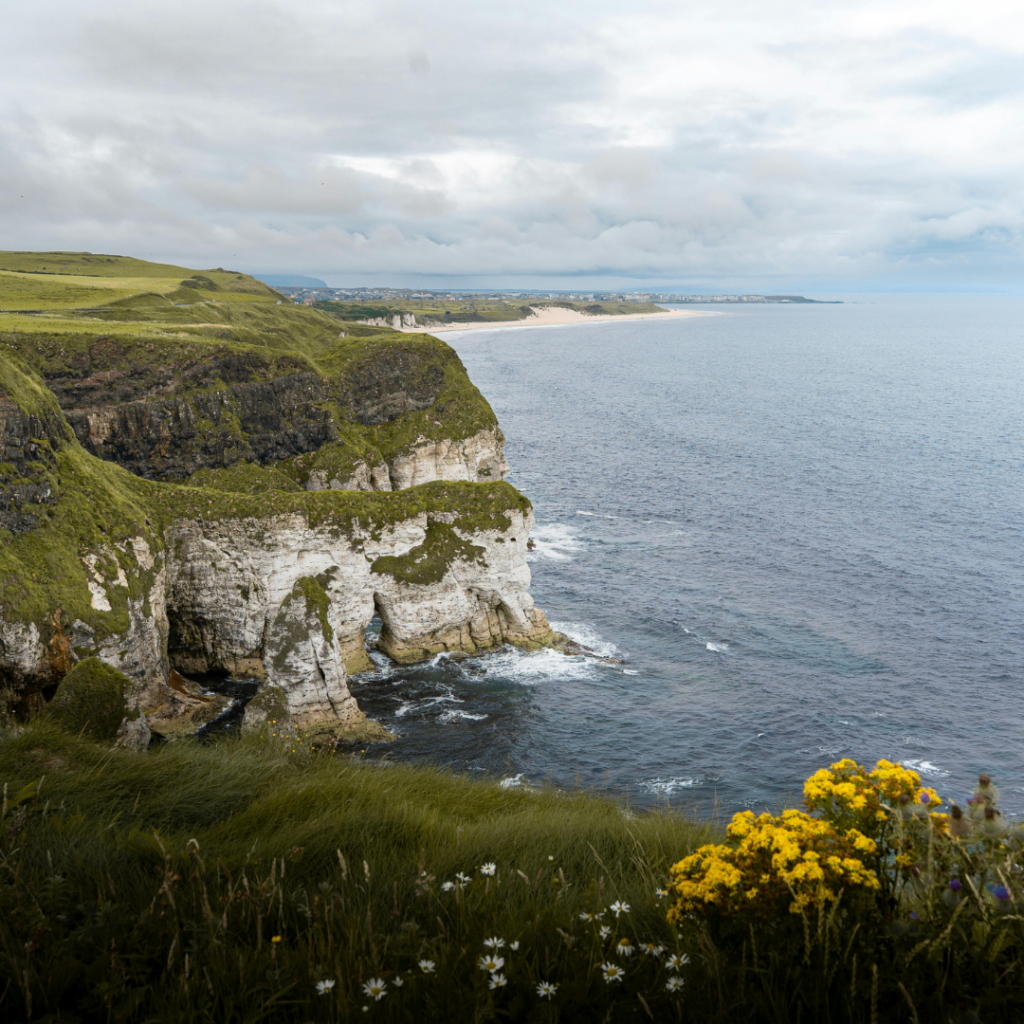
Northern Ireland packs an incredible variety of experiences into a relatively small area. In just a few days, you can tour world-class museums, explore centuries-old castles, drive one of Europe’s most scenic coastal roads, and enjoy lively evenings in traditional pubs.
Many visitors begin in Belfast City, home to attractions like Titanic Belfast, Belfast City Hall, and Crumlin Road Gaol. From there, it’s an easy drive to the stunning Causeway Coast, where you’ll find famous landmarks including Giant’s Causeway, Dunluce Castle, Kinbane Castle, and Ballintoy Harbour.
Venture farther inland and you’ll discover peaceful lakes like Lough Erne, rolling countryside in County Fermanagh, and the dramatic landscapes of the Mourne Mountains. The country’s compact size makes it easy to experience several different regions during a single visit.
This Northern Ireland travel guide focuses on the practical information you’ll want to know before your trip. From entry requirements and local customs to weather, transportation, and packing advice, these tips will help you travel with confidence.
Northern Ireland Travel Tips for Entry Requirements
Because Northern Ireland is part of the United Kingdom, entry requirements are the same as they are for England, Scotland, and Wales.
U.S. Travelers
American citizens do not need a visa for tourist visits lasting less than six months. However, you must obtain a UK Electronic Travel Authorization (ETA) before traveling.
The ETA is linked electronically to your passport and remains valid for multiple trips over a two-year period, provided your passport stays valid.
If you’re traveling on a passport from another country, check the UK government’s entry requirements before booking your trip.
Flying Into Northern Ireland
Many visitors arrive through Belfast International Airport, particularly if Northern Ireland is their primary destination.
Others choose to fly into Dublin Airport in the Republic of Ireland before driving north. This can provide additional flight options and sometimes lower airfare. If your itinerary includes both Northern Ireland and southern Ireland (the Republic of Ireland), compare prices and schedules for both airports before making a decision.
Read More: What to know before you visit Ireland
Currency and Paying for Everyday Purchases

The official currency in Northern Ireland is the British Pound Sterling (£).
Visitors sometimes assume they can use euros throughout the island, but that’s only true in the Republic of Ireland. Since Northern Ireland is part of the United Kingdom, businesses use pounds rather than euros.
Fortunately, paying for purchases is straightforward. Contactless credit cards, mobile wallets, and tap-to-pay are accepted almost everywhere, from restaurants to museums and fuel stations.
It’s still helpful to carry a small amount of cash for smaller businesses or unexpected situations.
Rather than exchanging money before your trip, you’ll often receive a better exchange rate by withdrawing cash from an ATM operated by a major bank after you arrive.
Before leaving home, notify your bank and credit card companies of your travel dates to reduce the chance of declined transactions.
Northern Ireland Travel Tips for Packing
One of the most valuable Northern Ireland travel tips is to expect changing weather every day, regardless of the season.
Conditions along the Antrim Coast or the Causeway Coast can shift quickly. Sunshine, clouds, wind, and light rain often arrive within a few hours of one another.
Summers are generally comfortable rather than hot. Temperatures above 75°F are uncommon, and many hotels don’t have air conditioning.
Rather than packing for one type of weather, plan to dress in layers that can easily be added or removed throughout the day.
Read more: The Ultimate Ireland Packing List
What Should You Bring?
Comfortable walking shoes are essential no matter where you’re staying.
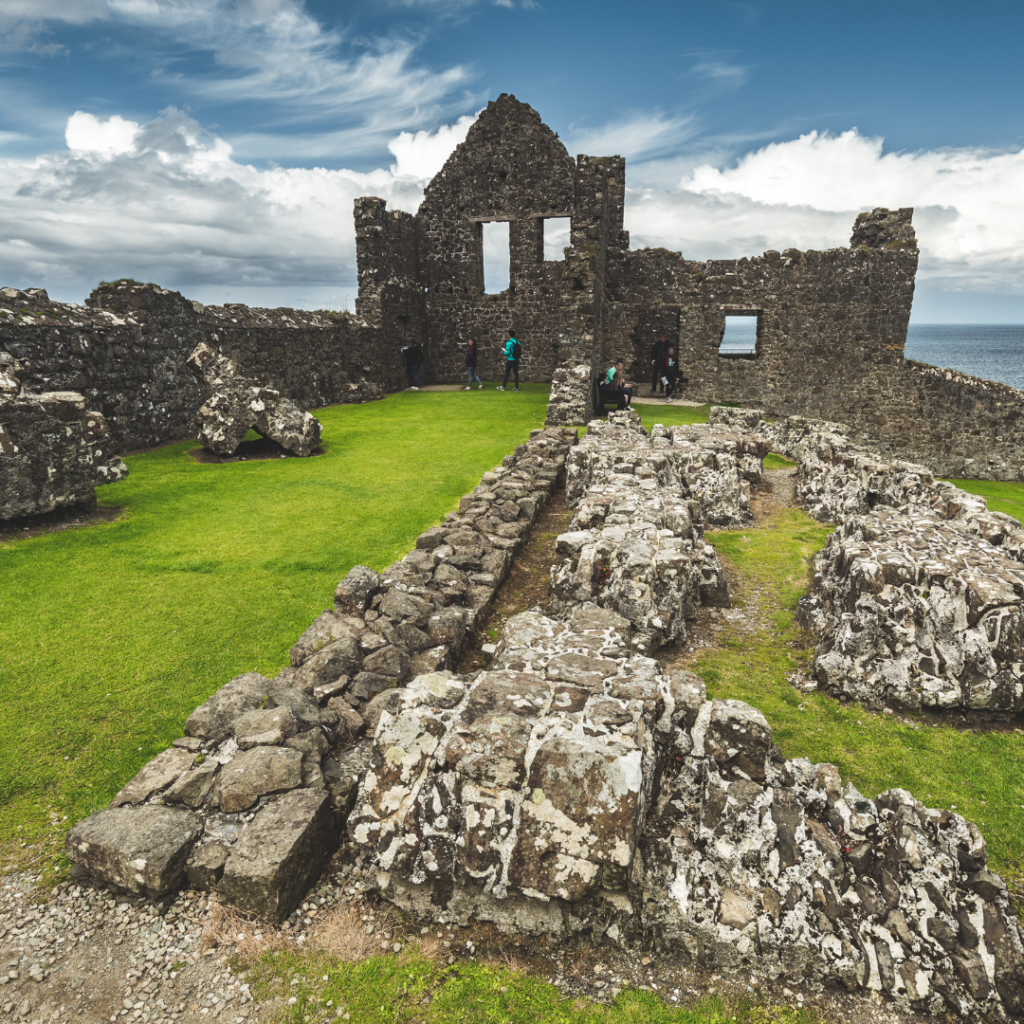
If your plans include coastal walks, hiking in the Mourne Mountains, or exploring historic ruins like Dunseverick Castle, waterproof footwear is a smart investment.
A lightweight waterproof jacket should also be at the top of your packing list. Umbrellas work well in cities, but coastal winds often make a hooded rain jacket much more practical.
Plan Around Daylight Hours
Northern Ireland sits farther north than much of the United States, so daylight hours change dramatically throughout the year.
Long summer evenings provide plenty of time for sightseeing after dinner, while winter afternoons become dark surprisingly early.
If you’re planning a scenic drive along the Causeway Coastal Route or hoping to enjoy the gorgeous views from Torr Head, check sunrise and sunset times before finalizing your daily plans.
Read More: Things to Know Before Traveling to England
Pack Lighter Than You Think
Packing light makes every part of your trip easier.
You’ll likely carry your own luggage through train stations, hotels, and parking areas several times during your vacation.
Rental cars are also much smaller than many Americans expect. Two large suitcases can easily fill an entire trunk.
For most travelers, one medium-sized suitcase and a backpack provide plenty of space while remaining easy to manage.
Traveling by Train
Although much of Northern Ireland is best explored by car, trains work well for travel between Belfast and several larger towns.
Most trains offer overhead shelves for smaller bags along with dedicated luggage racks near the doors for larger suitcases. These storage areas are available on a first-come, first-served basis.
Understanding Local Culture
One of the most important Northern Ireland travel tips has nothing to do with transportation. It involves understanding the place you’re visiting.
Northern Ireland has a rich culture, welcoming people, and a complex history that still shapes daily life. Most visitors find locals friendly and eager to help, especially when approached with curiosity and respect.
Everyday Courtesy
Good manners matter throughout Northern Ireland.
Simple words like “please,” “thank you,” and “sorry” are part of everyday conversation. Waiting patiently in queues is also expected, whether you’re boarding a bus, ordering coffee, or entering an attraction.
People are generally approachable, but conversations often begin a little more reserved than many Americans expect.
Respect Local History
History is an important part of understanding Northern Ireland, particularly in Belfast and Derry/Londonderry.
If you choose experiences such as a Black Cab Tour or visit sites like Crumlin Road Gaol or Free Derry, you’ll gain valuable historical context.
At the same time, avoid making assumptions about politics, identity, or religion. These subjects can still be personal for many residents, so it’s usually best to let locals lead those conversations if they arise.
Dining and Pub Culture
Traditional pubs remain an important part of daily life throughout Northern Ireland.
In most pubs, you’ll order food and drinks directly at the bar rather than waiting for table service.
Restaurant reservations are recommended, particularly in Belfast and during busy travel periods.
Unlike the United States, many restaurants automatically include a service charge. If they don’t, tipping around 10 to 15 percent for good service is customary but never obligatory.
Read More: What is a traditional Irish Breakfast?
Northern Ireland Travel Tips for Getting Around
Northern Ireland is small enough to explore comfortably in a week, but choosing the right transportation makes a big difference.
If you’re planning to stay primarily in Belfast City, you can easily rely on public transport. If your plans include the coast, national parks, or rural attractions, renting a car provides much more flexibility.
Traveling by Train and Bus
Northern Ireland’s rail network connects Belfast with destinations such as Bangor and Derry/Londonderry. The routes are comfortable and scenic, but they don’t reach many of the country’s most popular attractions.
Buses offer broader coverage and connect many towns and villages throughout the region. In Belfast City Centre, the Glider bus system provides an easy way to reach many of the city’s major neighborhoods and attractions.
If you’re relying on buses outside Belfast, check schedules in advance. Service can be less frequent in rural areas.
Taking a Road Trip

One of the best ways to experience Northern Ireland is by road trip.
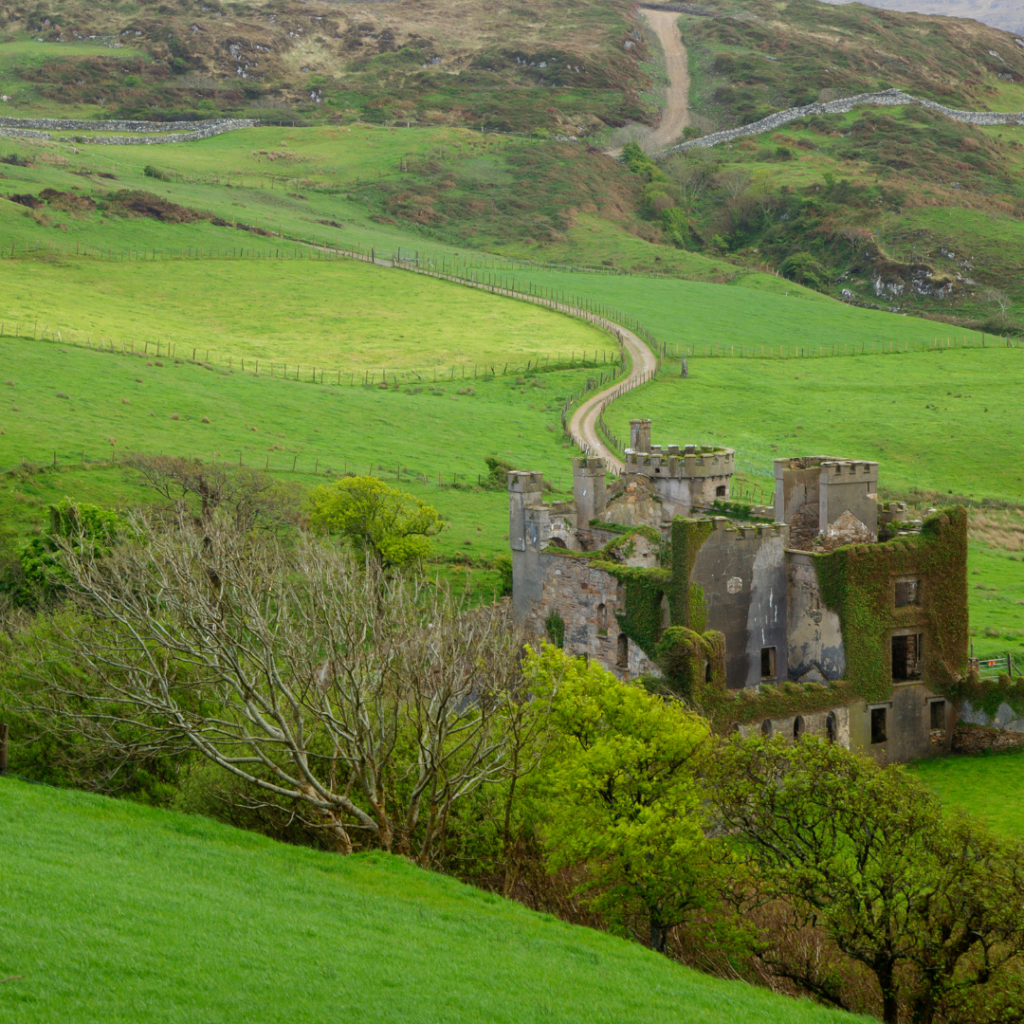
Having your own car allows you to stop whenever a scenic overlook catches your eye or a historic site wasn’t part of your original plan. It also makes it much easier to visit places like Glenarm Castle, Kinbane Castle, Dunseverick Castle, and Rathlin Island, all of which are difficult to combine using public transportation.
The famous Causeway Coastal Route follows much of the Antrim Coast, connecting charming villages, dramatic cliffs, and some of the country’s best-known attractions. Many travelers consider it one of Europe’s most beautiful coastal drives.
As elsewhere in the United Kingdom, you’ll drive on the left side of the road. Roundabouts are common, and rural roads are often narrower than visitors expect.
Take your time and enjoy the scenery. Posted speed limits are maximums, not targets.
Read More: Tips for Traveling in Scotland
Places You Shouldn’t Miss
One of Northern Ireland’s greatest strengths is how much variety you’ll find within a relatively compact area.
Belfast City blends history with modern attractions. Spend time exploring Titanic Belfast, touring Belfast City Hall, walking through the Cathedral Quarter, or learning more about the city’s past at Crumlin Road Gaol. If you’re looking for a memorable place to stay, The Merchant Hotel is one of Belfast’s best-known luxury properties.
North of Belfast, the stunning Causeway Coast offers one unforgettable stop after another. Walk across the remarkable basalt columns of Giants Causeway, photograph Dunluce Castle perched above the sea, and continue along the coast to Ballintoy Harbour and Torr Head, where you’ll find some of the island’s most spectacular viewpoints.
Nature lovers shouldn’t overlook the Mourne Mountains, where hiking trails reward visitors with sweeping views across the countryside. In western Northern Ireland, County Fermanagh offers a quieter experience centered around Lough Erne, historic estates, and peaceful waterways.
If time allows, consider adding Hillsborough Castle or a ferry trip to Rathlin Island, where rugged cliffs and abundant wildlife provide a completely different perspective on the region.
Staying Safe During Your Visit
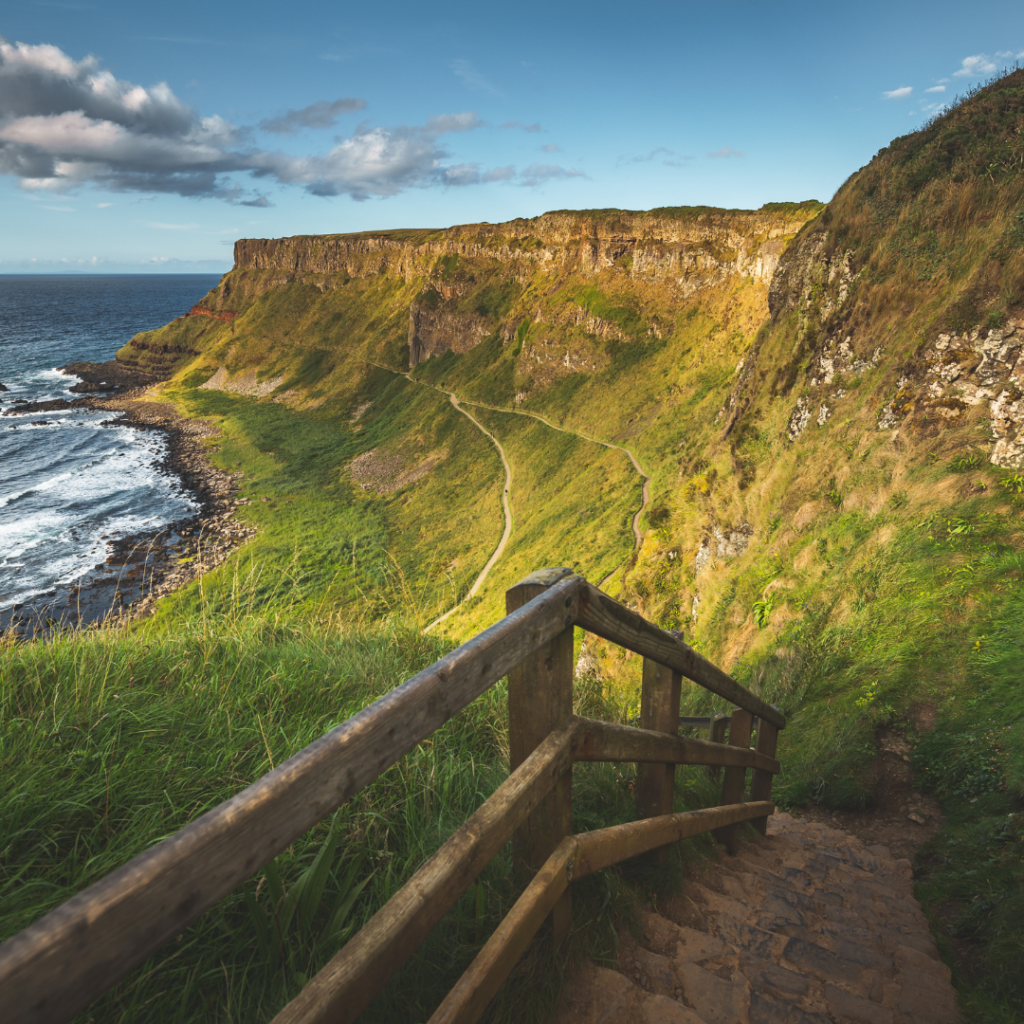
Northern Ireland is generally considered a safe destination, and most visits are trouble-free.
A few common-sense precautions will help keep your trip that way.
Keep your belongings secure in busy areas and avoid leaving bags unattended in cafés, train stations, or restaurants. While serious crime involving visitors is uncommon, petty theft can occasionally occur in popular tourist areas.
If you’re hiking or exploring the coast, check the weather before heading out. Conditions can change quickly, particularly along exposed cliffs and in the Mourne Mountains.
Purchasing travel insurance before your trip is also worth considering. It can provide valuable protection if unexpected delays, medical issues, or trip interruptions occur.
Staying Connected
Free Wi-Fi is easy to find in hotels, restaurants, cafés, and most public attractions.
Cell phone coverage is generally excellent around Belfast and larger towns but becomes less reliable in remote coastal areas and rural countryside.
Before setting out on a day of sightseeing, download offline maps if you’ll be driving the Causeway Coast or exploring more remote parts of the region.
Many travelers also choose an international phone plan or eSIM before departure to simplify using maps, navigation, and messaging throughout their trip.
A Few Helpful Things to Know
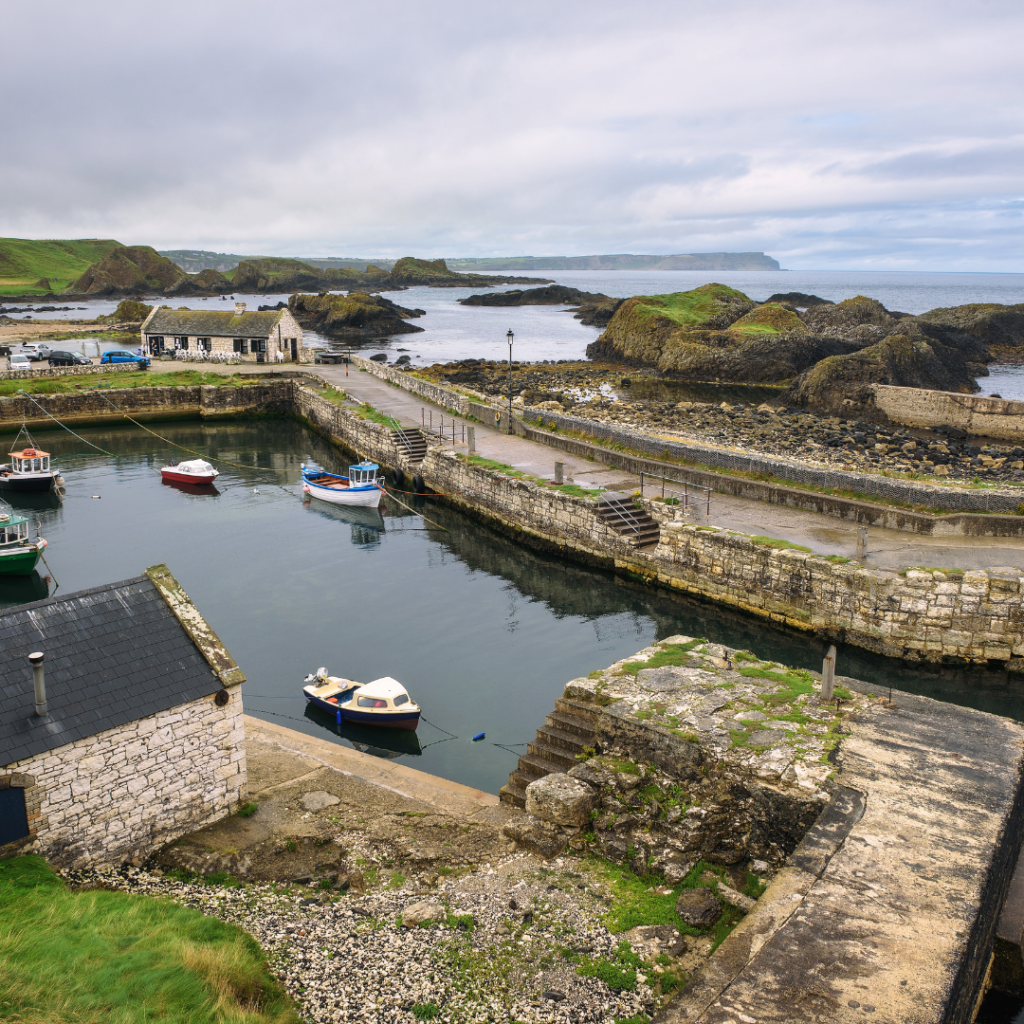
Northern Ireland shares many practical customs with the rest of the United Kingdom, but a few details often surprise first-time visitors.
Electrical outlets use the UK Type G plug, so travelers from North America will need a plug adapter. Many modern electronics are dual voltage, meaning an adapter is usually all that’s required.
Temperatures are measured in Celsius, while road distances remain in miles. Fuel, however, is sold by the liter.
Public restrooms are commonly called “toilets” or “loos.” Many are free to use, although some facilities request a small donation or charge a modest fee.
If you’re flying home from Northern Ireland, remember that TSA PreCheck only applies within the United States. Standard international security procedures will apply when departing the UK.
Read More: Things to Know Before Traveling to Wales
The Bottom Line: Northern Ireland Travel Tips
The best Northern Ireland travel tip can be the simplest. Slow down, stay flexible, and leave room in your schedule for unexpected discoveries.
Some of the highlights of a trip to Northern Ireland aren’t the famous attractions. You might find your favorite memory comes from a quiet walk through a coastal village, an evening in a traditional pub, or an unplanned stop overlooking the sea.
Whether you’re admiring the engineering behind Titanic Belfast, standing at the edge of the Giants Causeway, driving the Causeway Coastal Route, or enjoying the peaceful scenery around Lough Erne, Northern Ireland rewards travelers who take their time.
With a little preparation and these Northern Ireland travel tips, you’ll be ready to discover Northern Ireland, one of the most fascinating corners of the United Kingdom, with confidence.
Want to discover more of what Northern Ireland has to offer? Check out our other Northern Ireland resources here.
Whether you’re exploring Belfast’s history, driving the spectacular Causeway Coast, or hiking through the Mourne Mountains, these Northern Ireland travel tips will help you prepare before you leave home. Although Northern Ireland is part of the United Kingdom, it offers its own culture, traditions, and travel experiences. Understanding a few local customs and practical details before you arrive will help you spend less time worrying about logistics and more time enjoying your journey.
Why Visit Northern Ireland?
Northern Ireland packs an incredible variety of experiences into a relatively small area. In just a few days, you can tour world-class museums, explore centuries-old castles, drive one of Europe’s most scenic coastal roads, and enjoy lively evenings in traditional pubs.
Many visitors begin in Belfast City, home to attractions like Titanic Belfast, Belfast City Hall, and Crumlin Road Gaol. From there, it’s an easy drive to the stunning Causeway Coast, where you’ll find famous landmarks including Giant’s Causeway, Dunluce Castle, Kinbane Castle, and Ballintoy Harbour.
Venture farther inland and you’ll discover peaceful lakes like Lough Erne, rolling countryside in County Fermanagh, and the dramatic landscapes of the Mourne Mountains. The country’s compact size makes it easy to experience several different regions during a single visit.
This Northern Ireland travel guide focuses on the practical information you’ll want to know before your trip. From entry requirements and local customs to weather, transportation, and packing advice, these tips will help you travel with confidence.
Northern Ireland Travel Tips for Entry Requirements
Because Northern Ireland is part of the United Kingdom, entry requirements are the same as they are for England, Scotland, and Wales.
U.S. Travelers
American citizens do not need a visa for tourist visits lasting less than six months. However, you must obtain a UK Electronic Travel Authorization (ETA) before traveling.
The ETA is linked electronically to your passport and remains valid for multiple trips over a two-year period, provided your passport stays valid.
If you’re traveling on a passport from another country, check the UK government’s entry requirements before booking your trip.
Flying Into Northern Ireland
Many visitors arrive through Belfast International Airport, particularly if Northern Ireland is their primary destination.
Others choose to fly into Dublin Airport in the Republic of Ireland before driving north. This can provide additional flight options and sometimes lower airfare. If your itinerary includes both Northern Ireland and southern Ireland (the Republic of Ireland), compare prices and schedules for both airports before making a decision.
Read More: What to know before you visit Ireland
Currency and Paying for Everyday Purchases
The official currency in Northern Ireland is the British Pound Sterling (£).
Visitors sometimes assume they can use euros throughout the island, but that’s only true in the Republic of Ireland. Since Northern Ireland is part of the United Kingdom, businesses use pounds rather than euros.
Fortunately, paying for purchases is straightforward. Contactless credit cards, mobile wallets, and tap-to-pay are accepted almost everywhere, from restaurants to museums and fuel stations.
It’s still helpful to carry a small amount of cash for smaller businesses or unexpected situations.
Rather than exchanging money before your trip, you’ll often receive a better exchange rate by withdrawing cash from an ATM operated by a major bank after you arrive.
Before leaving home, notify your bank and credit card companies of your travel dates to reduce the chance of declined transactions.
Northern Ireland Travel Tips for Packing
One of the most valuable Northern Ireland travel tips is to expect changing weather every day, regardless of the season.
Conditions along the Antrim Coast or the Causeway Coast can shift quickly. Sunshine, clouds, wind, and light rain often arrive within a few hours of one another.
Summers are generally comfortable rather than hot. Temperatures above 75°F are uncommon, and many hotels don’t have air conditioning.
Rather than packing for one type of weather, plan to dress in layers that can easily be added or removed throughout the day.
Read more: The Ultimate Ireland Packing List
What Should You Bring?
Comfortable walking shoes are essential no matter where you’re staying.
If your plans include coastal walks, hiking in the Mourne Mountains, or exploring historic ruins like Dunseverick Castle, waterproof footwear is a smart investment.
A lightweight waterproof jacket should also be at the top of your packing list. Umbrellas work well in cities, but coastal winds often make a hooded rain jacket much more practical.
Plan Around Daylight Hours
Northern Ireland sits farther north than much of the United States, so daylight hours change dramatically throughout the year.
Long summer evenings provide plenty of time for sightseeing after dinner, while winter afternoons become dark surprisingly early.
If you’re planning a scenic drive along the Causeway Coastal Route or hoping to enjoy the gorgeous views from Torr Head, check sunrise and sunset times before finalizing your daily plans.
Read More: Things to Know Before Traveling to England
Pack Lighter Than You Think
Packing light makes every part of your trip easier.
You’ll likely carry your own luggage through train stations, hotels, and parking areas several times during your vacation.
Rental cars are also much smaller than many Americans expect. Two large suitcases can easily fill an entire trunk.
For most travelers, one medium-sized suitcase and a backpack provide plenty of space while remaining easy to manage.
Traveling by Train
Although much of Northern Ireland is best explored by car, trains work well for travel between Belfast and several larger towns.
Most trains offer overhead shelves for smaller bags along with dedicated luggage racks near the doors for larger suitcases. These storage areas are available on a first-come, first-served basis.
Understanding Local Culture
One of the most important Northern Ireland travel tips has nothing to do with transportation. It involves understanding the place you’re visiting.
Northern Ireland has a rich culture, welcoming people, and a complex history that still shapes daily life. Most visitors find locals friendly and eager to help, especially when approached with curiosity and respect.
Everyday Courtesy
Good manners matter throughout Northern Ireland.
Simple words like “please,” “thank you,” and “sorry” are part of everyday conversation. Waiting patiently in queues is also expected, whether you’re boarding a bus, ordering coffee, or entering an attraction.
People are generally approachable, but conversations often begin a little more reserved than many Americans expect.
Respect Local History
History is an important part of understanding Northern Ireland, particularly in Belfast and Derry/Londonderry.
If you choose experiences such as a Black Cab Tour or visit sites like Crumlin Road Gaol or Free Derry, you’ll gain valuable historical context.
At the same time, avoid making assumptions about politics, identity, or religion. These subjects can still be personal for many residents, so it’s usually best to let locals lead those conversations if they arise.
Dining and Pub Culture
Traditional pubs remain an important part of daily life throughout Northern Ireland.
In most pubs, you’ll order food and drinks directly at the bar rather than waiting for table service.
Restaurant reservations are recommended, particularly in Belfast and during busy travel periods.
Unlike the United States, many restaurants automatically include a service charge. If they don’t, tipping around 10 to 15 percent for good service is customary but never obligatory.
Read More: What is a traditional Irish Breakfast?
Northern Ireland Travel Tips for Getting Around
Northern Ireland is small enough to explore comfortably in a week, but choosing the right transportation makes a big difference.
If you’re planning to stay primarily in Belfast City, you can easily rely on public transport. If your plans include the coast, national parks, or rural attractions, renting a car provides much more flexibility.
Traveling by Train and Bus
Northern Ireland’s rail network connects Belfast with destinations such as Bangor and Derry/Londonderry. The routes are comfortable and scenic, but they don’t reach many of the country’s most popular attractions.
Buses offer broader coverage and connect many towns and villages throughout the region. In Belfast City Centre, the Glider bus system provides an easy way to reach many of the city’s major neighborhoods and attractions.
If you’re relying on buses outside Belfast, check schedules in advance. Service can be less frequent in rural areas.
Taking a Road Trip
One of the best ways to experience Northern Ireland is by road trip.
Having your own car allows you to stop whenever a scenic overlook catches your eye or a historic site wasn’t part of your original plan. It also makes it much easier to visit places like Glenarm Castle, Kinbane Castle, Dunseverick Castle, and Rathlin Island, all of which are difficult to combine using public transportation.
The famous Causeway Coastal Route follows much of the Antrim Coast, connecting charming villages, dramatic cliffs, and some of the country’s best-known attractions. Many travelers consider it one of Europe’s most beautiful coastal drives.
As elsewhere in the United Kingdom, you’ll drive on the left side of the road. Roundabouts are common, and rural roads are often narrower than visitors expect.
Take your time and enjoy the scenery. Posted speed limits are maximums, not targets.
Read More: Tips for Traveling in Scotland
Places You Shouldn’t Miss
One of Northern Ireland’s greatest strengths is how much variety you’ll find within a relatively compact area.
Belfast City blends history with modern attractions. Spend time exploring Titanic Belfast, touring Belfast City Hall, walking through the Cathedral Quarter, or learning more about the city’s past at Crumlin Road Gaol. If you’re looking for a memorable place to stay, The Merchant Hotel is one of Belfast’s best-known luxury properties.
North of Belfast, the stunning Causeway Coast offers one unforgettable stop after another. Walk across the remarkable basalt columns of Giants Causeway, photograph Dunluce Castle perched above the sea, and continue along the coast to Ballintoy Harbour and Torr Head, where you’ll find some of the island’s most spectacular viewpoints.
Nature lovers shouldn’t overlook the Mourne Mountains, where hiking trails reward visitors with sweeping views across the countryside. In western Northern Ireland, County Fermanagh offers a quieter experience centered around Lough Erne, historic estates, and peaceful waterways.
If time allows, consider adding Hillsborough Castle or a ferry trip to Rathlin Island, where rugged cliffs and abundant wildlife provide a completely different perspective on the region.
Staying Safe During Your Visit
Northern Ireland is generally considered a safe destination, and most visits are trouble-free.
A few common-sense precautions will help keep your trip that way.
Keep your belongings secure in busy areas and avoid leaving bags unattended in cafés, train stations, or restaurants. While serious crime involving visitors is uncommon, petty theft can occasionally occur in popular tourist areas.
If you’re hiking or exploring the coast, check the weather before heading out. Conditions can change quickly, particularly along exposed cliffs and in the Mourne Mountains.
Purchasing travel insurance before your trip is also worth considering. It can provide valuable protection if unexpected delays, medical issues, or trip interruptions occur.
Staying Connected
Free Wi-Fi is easy to find in hotels, restaurants, cafés, and most public attractions.
Cell phone coverage is generally excellent around Belfast and larger towns but becomes less reliable in remote coastal areas and rural countryside.
Before setting out on a day of sightseeing, download offline maps if you’ll be driving the Causeway Coast or exploring more remote parts of the region.
Many travelers also choose an international phone plan or eSIM before departure to simplify using maps, navigation, and messaging throughout their trip.
A Few Helpful Things to Know
Northern Ireland shares many practical customs with the rest of the United Kingdom, but a few details often surprise first-time visitors.
Electrical outlets use the UK Type G plug, so travelers from North America will need a plug adapter. Many modern electronics are dual voltage, meaning an adapter is usually all that’s required.
Temperatures are measured in Celsius, while road distances remain in miles. Fuel, however, is sold by the liter.
Public restrooms are commonly called “toilets” or “loos.” Many are free to use, although some facilities request a small donation or charge a modest fee.
If you’re flying home from Northern Ireland, remember that TSA PreCheck only applies within the United States. Standard international security procedures will apply when departing the UK.
Read More: Things to Know Before Traveling to Wales
The Bottom Line: Northern Ireland Travel Tips
The best Northern Ireland travel tip can be the simplest. Slow down, stay flexible, and leave room in your schedule for unexpected discoveries.
Some of the highlights of a trip to Northern Ireland aren’t the famous attractions. You might find your favorite memory comes from a quiet walk through a coastal village, an evening in a traditional pub, or an unplanned stop overlooking the sea.
Whether you’re admiring the engineering behind Titanic Belfast, standing at the edge of the Giants Causeway, driving the Causeway Coastal Route, or enjoying the peaceful scenery around Lough Erne, Northern Ireland rewards travelers who take their time.
With a little preparation and these Northern Ireland travel tips, you’ll be ready to discover Northern Ireland, one of the most fascinating corners of the United Kingdom, with confidence.
Want to discover more of what Northern Ireland has to offer? Check out our other Northern Ireland resources here.

